The quest for a “sharper brain” has led to countless supplements and fad diets, but only one nutritional framework was built from the ground up specifically to prevent cognitive decline: The MIND Diet.
As a physician, I am often asked if there is a way to eat that specifically targets the brain’s aging process. While the Mediterranean and DASH diets are world-renowned for heart health, the MIND diet represents an evidence-based evolution, fine-tuned by researchers to protect the neurons and blood vessels within the cranium.
In this ultimate guide, we will explore exactly what the MIND diet consists of, the clinical research behind its success in dementia prevention, and how you can implement a 7-day plan to shield your cognitive future.
What Is the MIND Diet?
The MIND diet, short for the Mediterranean-DASH Intervention for Neurodegenerative Delay, is a hybrid nutritional pattern designed to improve brain health and reduce the risk of Alzheimer’s disease. It merges the most neuroprotective elements of the Mediterranean diet and the Dietary Approaches to Stop Hypertension (DASH) diet.
Unlike other diets that focus on weight loss, the MIND diet focuses on “brain-healthy” food groups. It prioritizes plant-based foods while specifically limiting animal products and foods high in saturated fat. The goal is to reduce oxidative stress and inflammation, the two primary drivers of neurodegeneration.
Snippet-Optimized Definition: > The MIND diet is a clinical nutritional plan designed to prevent dementia and slow age-related cognitive decline. By combining elements of the Mediterranean and DASH diets, it emphasizes 10 brain-healthy food groups (like leafy greens and berries) and limits 5 unhealthy groups (like red meat and butter).
Who Created the MIND Diet and Why?
The MIND diet was developed by the late Dr. Martha Clare Morris and her team of nutritional epidemiologists at Rush University Medical Center in Chicago.
In 2015, the team published their findings in the journal Alzheimer’s & Dementia. They recognized that while the Mediterranean and DASH diets were excellent for cardiovascular health, certain foods within those diets—specifically berries and green leafy vegetables—showed a disproportionately strong protective effect on the brain. The MIND diet was created to accentuate these specific neuroprotective nutrients to see if they could lower the incidence of Alzheimer’s disease more effectively than heart-healthy diets alone.
What Is the Primary Purpose of the MIND Diet?
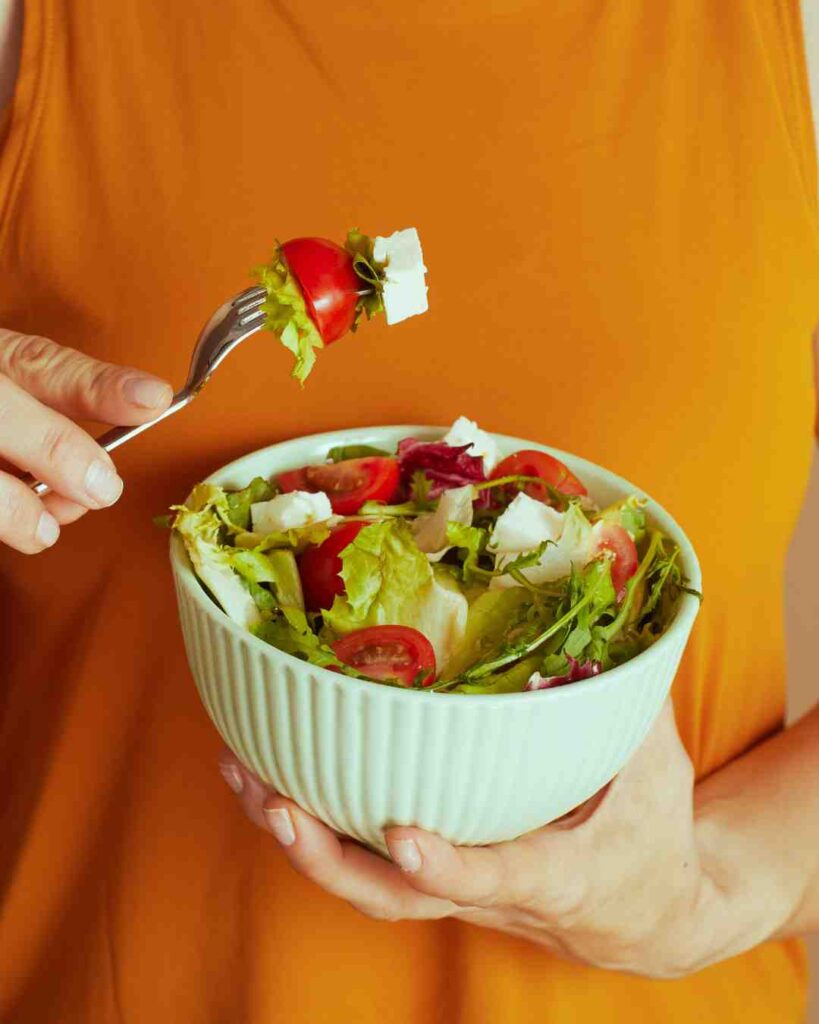
The primary purpose of the MIND diet is to maximize cognitive resilience. As we age, our brains are subject to:
- Oxidative Stress: Damage to cells from free radicals.
- Amyloid Plaque Accumulation: The hallmark “junk” protein associated with Alzheimer’s.
- Neuroinflammation: Chronic inflammation in brain tissue.
The MIND diet provides a high concentration of antioxidants (like Vitamin E and flavonoids) and healthy fats (Omega-3s) that have been shown to cross the blood-brain barrier. By improving vascular health—ensuring the brain receives a steady supply of oxygenated blood—and reducing inflammation, the diet seeks to slow the “biological clock” of the brain.
What Is the MIND Diet and How Does It Work?
The MIND diet works through a synergistic effect of specific nutrients. It isn’t just about one “superfood”; it’s about the cumulative impact of these groups on the Gut-Brain Axis and the blood-brain barrier.
The Mechanisms of Action:
- Reduction of Beta-Amyloid: Certain nutrients in berries and greens may help inhibit the formation of amyloid-beta proteins.
- Inflammation Mitigation: High intake of monounsaturated fats (from olive oil) reduces systemic inflammation that can “leak” into the brain.
- Insulin Sensitivity: By stabilizing blood sugar, the MIND diet prevents “Type 3 Diabetes”—a term some researchers use for Alzheimer’s due to the brain’s inability to process glucose properly when insulin resistant.
What Does the MIND Diet Consist Of?
The diet is unique because it uses a “scoring system” rather than strict “yes/no” rules. It categorizes foods into 10 brain-healthy groups and 5 unhealthy groups.
The 10 Brain-Healthy Food Groups
To achieve a high MIND score, you should focus on:
- Green Leafy Vegetables: At least 6 servings per week (Kale, spinach, collards).
- Other Vegetables: At least 1 serving per day (Carrots, broccoli, squash).
- Berries: At least 2 servings per week (Blueberries and strawberries are preferred).
- Nuts: At least 5 servings per week.
- Whole Grains: At least 3 servings per day (Oatmeal, quinoa, brown rice).
- Fish: At least 1 serving per week (Fatty fish like salmon are best).
- Poultry: At least 2 servings per week (Chicken or turkey, not fried).
- Beans: At least 3 servings per week (Lentils, chickpeas, black beans).
- Olive Oil: Use as your primary cooking oil.
- Wine: No more than one glass per day (specifically for the resveratrol, though this is optional).
| Food Group | Minimum Frequency | Brain Benefit |
| Leafy Greens | 6+ servings/week | Lutein, folate, beta-carotene |
| Berries | 2+ servings/week | Anthocyanins (memory support) |
| Nuts | 5+ servings/week | Vitamin E, healthy fats |
| Olive Oil | Primary oil | Polyphenols (anti-inflammatory) |
Are Eggs Allowed on the MIND Diet?
This is a common question in my practice. The answer is yes, eggs are allowed, but with caveats.
In the original Rush University studies, eggs were not listed as one of the 10 “brain-healthy” groups, nor were they listed as an “unhealthy” group. Eggs are a rich source of choline, which is essential for the production of acetylcholine—a neurotransmitter involved in memory and mood.
Doctor’s Advice: Limit egg consumption to about 3–4 per week if you have high LDL cholesterol, but feel free to include them as a high-quality protein source within a MIND-style breakfast.
What Are 5 Foods to Avoid on the MIND Diet?
To protect your brain, the MIND diet researchers identified five groups that are associated with higher rates of cognitive decline due to their saturated and trans-fat content.
- Butter and Margarine: Limit to less than 1 tablespoon per day.
- Cheese: Limit to less than 1 serving per week.
- Red Meat: Limit to less than 3 servings per week (includes beef, pork, lamb).
- Fried Food: Limit to less than 1 serving per week (especially fast food).
- Pastries and Sweets: Limit to less than 5 servings per week (includes sodas, candy, and cakes).
What Is Not Allowed on the MIND Diet?
Unlike the Keto or Paleo diets, the MIND diet does not “forbid” any food. It is a weighted frequency model.
Nothing is strictly “not allowed,” but foods high in saturated fats and processed sugars are considered “taxing” on brain health. The goal isn’t perfection; even moderate adherence to the diet has been shown to reduce Alzheimer’s risk. If you have a slice of cheese or a steak, you don’t “fail” the diet—you simply aim to balance it with more leafy greens in your next meal.
Is the MIND Diet Healthy? Pros and Cons
As a public health specialist, I find the MIND diet to be one of the most sustainable and balanced plans available.
Pros:
- Strong Clinical Evidence: Observational studies showed a 53% reduction in Alzheimer’s risk for those with high adherence.
- No Calorie Counting: It focuses on food quality rather than restrictive quantities.
- Heart and Brain Synergy: It simultaneously lowers blood pressure and cholesterol.
Cons:
- Not a Quick Fix: This is a long-term lifestyle, not a 30-day “detox.”
- Cost of Fresh Produce: Berries and fresh salmon can be expensive (though frozen versions are medically equivalent).
- Alcohol Caveat: The inclusion of wine can be a slippery slope for some patients.
What Is the MIND Diet for Dementia?
The “MIND diet for dementia” usually refers to its use as a preventative measure for those with Mild Cognitive Impairment (MCI) or a family history of Alzheimer’s.
Clinical trials, such as the MIND-P trial, have looked at whether the diet can help people who already show signs of cognitive slipping. While the diet is most effective as a preventative tool (starting in your 40s or 50s), it has been shown to slow the progression of cognitive decline in older adults who already have some brain pathology.
What Vitamin Cuts Dementia Risk by 40%?
There is significant interest in the “40% reduction” claim, which often refers to Vitamin E.
Research has shown that people who consume high levels of Vitamin E from food sources (not necessarily pills) have a significantly lower risk of dementia. The MIND diet is naturally very high in Vitamin E because of its emphasis on nuts (almonds/hazelnuts), seeds, and leafy greens.
Important: High-dose Vitamin E supplements have not shown the same benefit and can actually be dangerous for heart health in some people. Stick to the MIND diet food list to get your Vitamin E safely.
MIND Diet Food List (Printable Friendly)
If you are looking for a mind diet printable, focus on these items during your next grocery trip:
- Veggies: Spinach, Kale, Arugula, Broccoli, Brussels Sprouts.
- Fruits: Blueberries (fresh or frozen), Strawberries, Raspberries.
- Proteins: Chicken, Turkey, Salmon, Mackerel, Sardines, Lentils, Chickpeas.
- Fats: Extra Virgin Olive Oil, Walnuts, Almonds, Cashews.
- Grains: Steel-cut oats, Quinoa, 100% Whole wheat bread.
What Do You Eat on the MIND Diet?
A typical day on the MIND diet is colorful and textured. You aren’t eating “diet food”; you are eating Mediterranean-style meals with a heavy focus on plants.
Typical Day:
- Breakfast: Oatmeal with blueberries and walnuts.
- Lunch: A large spinach salad with chickpeas, grilled chicken, and olive oil dressing.
- Dinner: Baked salmon with quinoa and sautéed kale.
- Snack: An apple or a small handful of almonds.
The MIND Diet Meal Plan
For a beginner, the key is the “Leafy Green Habit.” Use this structure to guide your daily intake:
- Breakfast: Focus on whole grains + berries.
- Lunch: Focus on leafy greens + beans/poultry.
- Dinner: Focus on “other” vegetables + fish/poultry + whole grains.
The MIND Diet Weekly Meal Plan
This 7-day MIND diet plan is designed to maximize your “MIND Score” while keeping preparation simple.
| Day | Breakfast | Lunch | Dinner |
| Mon | Oats + Blueberries | Spinach Salad + Chickpeas | Baked Cod + Quinoa + Broccoli |
| Tue | Greek Yogurt + Walnuts | Turkey Wrap (Whole Wheat) | Lentil Soup + Side Salad |
| Wed | Berry Smoothie + Chia | Quinoa Salad + Black Beans | Grilled Chicken + Asparagus |
| Thu | Whole Grain Toast + Avocado | Leftover Lentil Soup | Salmon + Kale Sauté + Brown Rice |
| Fri | Oats + Strawberries | Mixed Greens + Walnuts + Pear | Turkey Chili with Beans |
| Sat | Vegetable Omelet | Salad with Grilled Salmon | Roast Chicken + Sweet Potato |
| Sun | Berry Parfait | Chickpea Salad Sandwich | Whole Wheat Pasta + Spinach + Olive Oil |
MIND Diet Recipes
Implementing the MIND diet doesn’t require culinary school. Here are three “brain-boost” staples:
Breakfast: Brain-Power Blueberry Oats
- 1/2 cup steel-cut oats
- 1 cup water or unsweetened almond milk
- 1/2 cup blueberries (frozen is fine)
- 1 tbsp crushed walnuts
- Method: Cook oats, stir in berries and nuts. Top with a dash of cinnamon (which may help with blood sugar).
Lunch: The “Rush University” Green Salad
- 2 cups fresh spinach or kale
- 1/4 cup chickpeas (rinsed)
- 3 oz grilled chicken breast
- Sliced cucumbers and carrots
- Dressing: 1 tbsp Olive oil + splash of balsamic vinegar.
Dinner: Mediterranean Salmon & Quinoa
- 6 oz wild-caught salmon
- 1/2 cup cooked quinoa
- 1 cup steamed broccoli
- Method: Bake salmon at 400°F for 12 minutes. Season with lemon, garlic, and olive oil.
The MIND Diet Book & Cookbook
If you want to dive deeper, there are several authoritative resources.
- “The MIND Diet” by Maggie Moon: One of the most popular guides for beginners.
- “The Official MIND Diet Cookbook”: Focuses on recipes that meet the specific frequency requirements of the Rush University study.
- “Diet for the Mind” by Dr. Martha Clare Morris: The definitive book by the diet’s creator, providing the clinical “why” behind every food group.
MIND Diet PDF, Printable & Beginner Resources
When looking for a MIND diet for beginners PDF, ensure it contains a “Frequency Tracker.” Because the MIND diet is based on servings per week, a simple checklist is the best tool for success.
I recommend printing a weekly log where you can check off your 6 servings of greens and your 2 servings of berries. This visual reinforcement is highly effective for behavioral change.
FAQs (People Also Ask)
What foods are in the MIND diet?
The MIND diet includes 10 groups: leafy greens, other vegetables, berries, nuts, whole grains, fish, poultry, beans, olive oil, and wine.
Are eggs allowed?
Yes, eggs are allowed in moderation (roughly 3–4 per week) as they provide choline, which is beneficial for brain health.
Is wine required?
No. While the original study included one glass of wine per day, the benefit is attributed to antioxidants like resveratrol. If you don’t drink, do not start. You can get similar antioxidants from purple grapes or berries.
How fast does it work?
Cognitive benefits are long-term. While you may feel more energetic within weeks due to lower sugar intake, the neuroprotective benefits are measured over years of consistent eating.
Can vegetarians follow it?
Absolutely. Vegetarians often have high MIND scores because they naturally consume more beans, nuts, and leafy greens. Simply replace the fish and poultry with more legumes and soy products.
Final Doctor’s Takeaway
The MIND diet is more than a weight-loss plan; it is an insurance policy for your brain. By focusing on what to add (greens, berries, nuts) rather than just what to subtract, it creates a sustainable, enjoyable lifestyle.
While no diet can 100% guarantee the prevention of Alzheimer’s, the MIND diet provides the most robust evidence-based framework we currently have to stack the deck in your favor.
Next Step: Would you like me to generate a “MIND Diet Grocery Shopping Checklist PDF” or perhaps a “Brain-Healthy Snack Guide” for mid-afternoon energy?
Medical Disclaimer
The information provided in this guide is for educational purposes only and is not intended as medical advice. Dietary changes should be discussed with a healthcare professional, especially for those with existing medical conditions or those taking medications.
References
1. Alzheimer’s & Dementia: The Journal of the Alzheimer’s Association: MIND diet associated with reduced incidence of Alzheimer’s disease.
2. The Journal of the American Medical Association (JAMA): The MIND Diet and Cognitive Decline in Older Adults.
3. Rush University Medical Center (Academic Archive): MIND Diet Research Overview and Nutrients for Brain Health.
4. National Institute on Aging (NIH): Diet and Prevention of Alzheimer’s Disease.
5. Journal of the Academy of Nutrition and Dietetics: The MIND Diet and Cognitive Resilience to Alzheimer’s Disease Pathology.