The word “detox” has become a billion-dollar marketing buzzword, but in the realm of clinical medicine, it carries a very different meaning. Every day, thousands of people search for the “fastest way to cleanse the liver,” often after a period of heavy drinking, poor diet, or feeling sluggish.
The truth is both simpler and more impressive than any juice cleanse: Your liver is a self-cleaning, 24/7 detoxification powerhouse. It doesn’t need a “reset” button; it needs the right biological conditions to perform the job it was evolved to do. This comprehensive guide, reviewed by medical professionals, will separate the marketing myths from the biological realities, providing you with evidence-based strategies to support your liver naturally.
What Does “Liver Detox” Actually Mean?
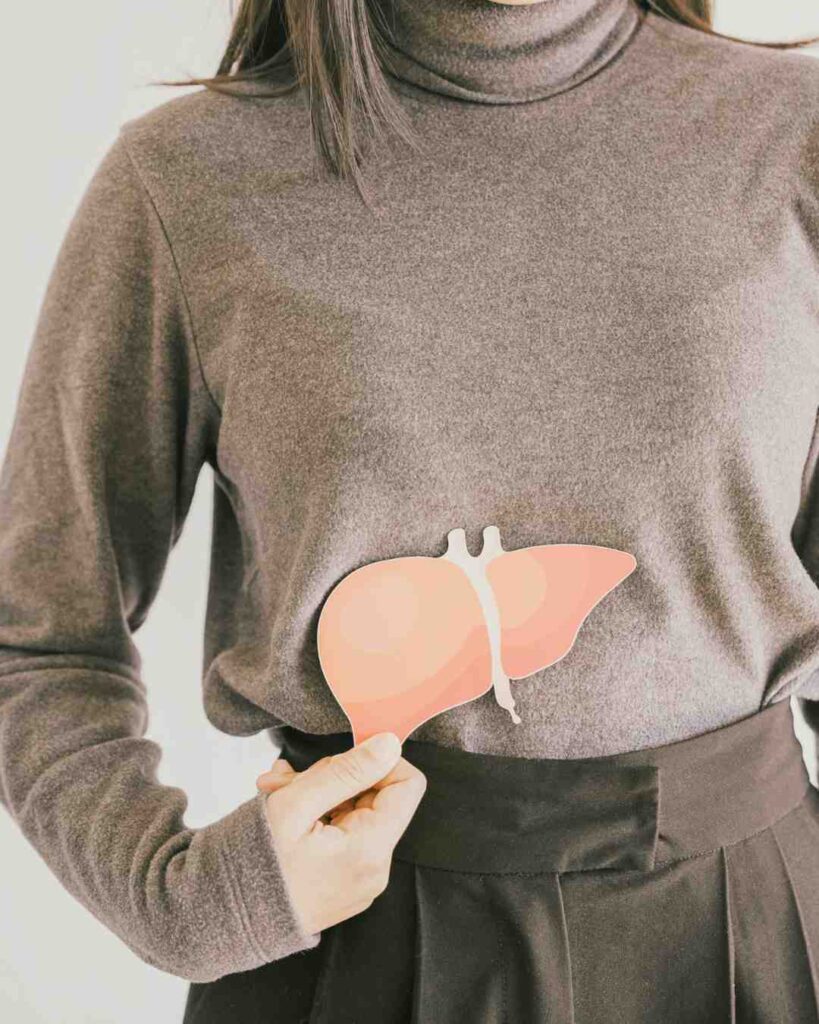
If you search for “how to detox your liver,” you are likely looking for a way to remove toxins that have accumulated due to lifestyle choices. However, from a physiological standpoint, the liver does not “store” toxins like a filter in a vacuum cleaner. Instead, it acts as a chemical processing plant.
The Real Science: Phase I and Phase II Detoxification
The liver processes everything you ingest, inhale, or absorb through your skin through two primary pathways:
- Phase I (Functionalization): The liver uses enzymes (primarily the Cytochrome P450 family) to break down toxins into smaller, often more reactive intermediate forms.
- Phase II (Conjugation): The liver adds a molecule to these intermediates to make them water-soluble, allowing them to be safely excreted via bile or urine.
Why “Cleanses” are Misleading: Most commercial liver detox products claim to “flush” the liver. In reality, these products often contain laxatives or diuretics that lead to temporary weight loss via water and stool, creating the illusion of a detox without actually assisting the liver’s enzymatic pathways.
What “Supporting Liver Health” Actually Means: Instead of a “flush,” we focus on providing the liver with the micronutrients (like glutathione precursors) and the rest it needs to complete Phase I and II efficiently.
What Are the First Signs of a Bad Liver?
Understanding when your liver is under stress is critical. While the liver is remarkably resilient—capable of regenerating even after significant damage—it is often a “silent” organ. Symptoms usually appear only when the liver is significantly struggling.
10 Signs Your Liver May Need Support
- Chronic Fatigue: The most common sign, often linked to the liver’s inability to manage glucose and energy metabolism.
- Jaundice (Yellowing): A yellow tint to the eyes or skin indicates a buildup of bilirubin, a major red flag.
- Dark Urine: Even when hydrated, dark “tea-colored” urine can suggest liver issues.
- Persistent Itching (Pruritus): Caused by bile salts depositing in the skin.
- Abdominal Pain or Swelling: Specifically in the upper right quadrant.
- Bloating and Digestive Distress: Difficulty processing fats can lead to chronic gas and bloating.
- Brain Fog: When the liver fails to filter ammonia from the blood, it can affect cognitive function (Hepatic Encephalopathy).
- Easy Bruising: The liver produces clotting factors; when it fails, you may bleed or bruise easily.
- Nausea or Loss of Appetite: A general sense of malaise often accompanies liver inflammation.
- Pale Stools: Indicates a lack of bile, which gives stool its brown color.
⚠️ MEDICAL ALERT: If you experience jaundice, severe abdominal pain, or swelling in the legs and abdomen (ascites), seek emergency medical care immediately. These are not symptoms that a “home remedy” can fix.
Signs of Liver Detox Working (Myth vs. Reality)
Many “detox” supplements claim that headaches, breakouts, and diarrhea are signs that “toxins are leaving the body.” This is a myth. In clinical medicine, those are signs of dehydration or a reaction to harsh ingredients.
What REAL Liver Recovery Looks Like:
- Stabilized Energy Levels: You no longer experience the “afternoon crash.”
- Improved Digestion: Less bloating after meals, especially those containing fats.
- Clearer Skin: The liver is the primary filter; when it works well, the skin (the secondary filter) is less stressed.
- Improved Lab Markers: The only definitive way to know your liver is healing is through blood tests showing a decrease in AST, ALT, and GGT enzymes.
How to Detox Your Liver Naturally (Evidence-Based)
To support your liver “naturally,” you must provide it with the raw materials required for Phase II conjugation. This isn’t about what you remove as much as what you provide.
1. Optimize Hydration
Water is the medium through which the liver sends processed toxins to the kidneys for excretion. Without it, the “chemical plant” becomes backed up.
2. Prioritize Fiber
Fiber (especially from cruciferous vegetables like broccoli and kale) binds to bile in the intestines, ensuring that toxins are excreted rather than reabsorbed into the bloodstream.
3. Protein and Amino Acids
The liver requires specific amino acids (glycine, cysteine, and glutamine) to produce Glutathione, the body’s “Master Antioxidant.” A protein-deficient diet can actively stall liver detoxification.
4. Antioxidant-Rich Foods
Berries, walnuts, and green leafy vegetables provide the polyphenols that protect liver cells (hepatocytes) from the free radicals generated during Phase I detox.
How to Detox Your Liver at Home (What’s Safe)
You don’t need expensive kits to support your liver at home. Focus on these three clinically backed lifestyle shifts:
- Reduce Ultra-Processed Foods: High-fructose corn syrup and trans fats are directly linked to Non-Alcoholic Fatty Liver Disease (NAFLD).
- The Power of Coffee: Surprisingly, coffee is one of the most well-researched beverages for liver health. Studies show that regular coffee consumption (black or with minimal sugar) reduces the risk of cirrhosis and liver cancer.
- Cook with Extra Virgin Olive Oil: High in monounsaturated fats, it helps reduce liver fat and improves blood flow to the organ.
Liver Detox Drinks: What Actually Helps?
Many “detox tea” brands contain senna, a laxative that can actually damage the liver if overused. If you want a liver-friendly drink, stick to the following:
| Drink | Evidence Level | Why it Works |
| Water | Essential | Necessary for metabolic waste transport. |
| Black Coffee | High | Contains antioxidants that prevent collagen buildup in the liver. |
| Green Tea | Moderate | High in EGCG (catechins) which reduce liver fat. |
| Beetroot Juice | Emerging | May protect the liver from oxidative damage. |
| Lemon Water | Low | Great for vitamin C and hydration, but does not “flush” the liver. |
3-Day Liver Detox: What You Can & Cannot Do
If you see an ad for a “3-day liver cleanse juice,” ignore it. It is biologically impossible to “clean” a liver in 72 hours. However, a 3-day reset can significantly reduce the burden on your liver.
What happens in 72 hours of clean living?
- Inflammation Reduction: By removing alcohol and processed sugar, you stop the inflammatory cascade.
- Glycogen Recovery: Your liver begins to normalize its energy stores.
- Alcohol Clearance: If you have been drinking, 72 hours is typically enough time for the liver to process the remaining ethanol and begin cellular repair.
Safe 3-Day Reset Sample Menu:
- Breakfast: Oatmeal with walnuts and blueberries (Fiber + Antioxidants).
- Lunch: Grilled salmon over a bed of spinach and broccoli (Protein + Omega-3s + Fiber).
- Dinner: Roast chicken with sweet potatoes and asparagus.
- Snacks: Raw almonds or an apple.
How to Detox Your Liver in 24 Hours (Reality Check)
You cannot “detox” damage in a day. However, if you are asking “how to detox your liver fast” because of a hangover or a period of overindulgence, your 24-hour goal is Harm Mitigation.
- Stop All Alcohol: Give the liver 100% of its capacity to process existing toxins.
- Double Your Water Intake: Help the kidneys assist the liver.
- Eat Lean Protein: Provide the amino acids needed for glutathione production.
- Sleep: The liver’s metabolic processes are highly active during deep sleep cycles.
How to Detox Your Liver from Alcohol
Alcohol is a direct hepatotoxin. When you drink, the liver stops processing fats and carbohydrates to focus entirely on breaking down ethanol into acetaldehyde (a highly toxic substance) and then into acetate.
The Alcohol Metabolism Timeline
- 0–24 Hours: The liver works overtime to clear acetaldehyde. This is the period of highest oxidative stress.
- 24–72 Hours: The liver begins to process the fat that accumulated during the drinking period (Steatosis).
- 1–4 Weeks: In many cases of “fatty liver” caused by alcohol, complete abstinence for 30 days can significantly reduce liver fat and normalize enzyme levels.
Warning Signs of Alcoholic Hepatitis: If you experience yellowing of the eyes, a swollen abdomen, or extreme confusion after heavy drinking, this is a medical emergency.
How to Detox Your Liver and Kidneys Naturally
The liver and kidneys are the “Dynamic Duo” of filtration. While the liver processes chemicals, the kidneys filter the blood and maintain fluid balance.
- Hydration is Key: Water is the only “detox” both organs agree on.
- Salt Moderation: High sodium increases blood pressure, which is the leading cause of kidney stress.
- Manage Blood Sugar: High glucose levels damage the micro-vessels in the kidneys and lead to fat deposits in the liver.
Castor Oil Liver Detox: Does It Work?
A recent trend involves placing castor oil-soaked cloths on the abdomen over the liver. There is no clinical evidence that castor oil “pulls” toxins through the skin and out of the liver. While castor oil is a known laxative when taken orally, using it topically for liver detox is a myth. At best, it provides a soothing warmth; at worst, it causes skin irritation and distracts you from evidence-based care.
Liver Detox Juices & Cleanses: What to Avoid
- Extreme Fasting: Starving yourself of protein actually slows down the liver’s ability to detoxify (Phase II requires amino acids).
- High-Sugar Fruit Juices: Fructose is processed exclusively in the liver. A “juice cleanse” high in fruit sugar can actually increase liver fat.
- Gallbladder “Flushes”: Drinking large amounts of olive oil and lemon juice to “pass stones” is dangerous and often results in passing “soap stones” (saponified oil), not actual gallstones.
Liver Health Lab Test Checklist
To truly understand your liver health, you need more than a “feeling”—you need data. When you visit your doctor, they will likely order a Liver Function Test (LFT), which is a panel of blood tests that measure specific proteins and enzymes.
Use this checklist, reviewed by Dr. Gary Goldman, MD, to prepare for your appointment and interpret your results.
1. The Core Liver Enzyme Panel
These enzymes are the most common markers of liver stress or damage.
- ALT (Alanine Aminotransferase):
- What it is: An enzyme found mostly in the liver.
- What it means: High levels suggest liver cells are being damaged or “leaking.” It is the most specific marker for liver health.
- AST (Aspartate Aminotransferase):
- What it is: An enzyme found in the liver, heart, and muscles.
- What it means: Elevated AST often accompanies high ALT. If AST is much higher than ALT, it can sometimes indicate alcohol-related stress or muscle damage.
- GGT (Gamma-Glutamyltransferase):
- What it is: An enzyme in the liver and bile ducts.
- What it means: This is very sensitive to alcohol consumption and bile duct blockages. Doctors use this to confirm if high ALP is coming from the liver.
2. Proteins and Bilirubin (Function Markers)
While enzymes show damage, these markers show how well the liver is actually working.
- Albumin:
- What it is: The main protein made by the liver.
- What it means: Low levels suggest the liver’s “manufacturing plant” is struggling, often due to chronic conditions.
- Total Bilirubin:
- What it is: A waste product from the breakdown of red blood cells.
- What it means: High levels cause jaundice (yellowing). It indicates the liver isn’t clearing waste properly or there is a bile duct blockage.
- Total Protein:
- What it is: Measures albumin and globulin.
- What it means: Helps assess overall nutritional status and immune health.
3. Advanced Vital Health Markers
If you are focused on Metabolic Health, these extra tests provide a fuller picture of liver fat and inflammation.
- ALP (Alkaline Phosphatase): * Related to bile ducts and bone health. High levels can indicate “stuck” bile (cholestasis).
- Prothrombin Time (PT/INR): * Measures how long it takes your blood to clot. Since the liver makes clotting factors, a “slow” time suggests significant liver dysfunction.
- HbA1c (Blood Sugar): * Critical for checking for Fatty Liver (NAFLD), as insulin resistance is a primary driver of liver fat.
- High-Sensitivity CRP (hs-CRP): * A general marker for systemic inflammation that often correlates with liver stress.
4. Preparation Checklist (Before the Lab)
To get the most accurate “snapshot” of your liver health, follow these steps:
- Fasting: Most metabolic panels require 8–12 hours of fasting (water only).
- Alcohol Cessation: Avoid alcohol for at least 48–72 hours before the test, as even one drink can temporarily spike GGT and AST.
- Medication Review: List all supplements (especially Tylenol/Acetaminophen or herbal “detox” pills) for your doctor, as these can alter enzyme readings.
- Avoid Heavy Exercise: Intense weightlifting 24 hours before the test can artificially raise AST levels due to muscle repair.
5. Interpreting the Results
| Marker | Potential “High” Cause | Potential “Low” Cause |
| ALT/AST | Inflammation, Alcohol, Fat | Usually not a concern |
| Albumin | Dehydration | Chronic liver disease, Malnutrition |
| Bilirubin | Bile duct block, Hemolysis | Usually not a concern |
| GGT | Alcohol, Medications | Normal |
The “Gary Goldman” Tip:
“Never panic over a single slightly elevated result. The liver is dynamic. We look for trends over 3 to 6 months. One bad reading might just be a reaction to a recent workout or a mild viral infection.”
The Patient’s Discussion Guide: Liver Enzymes
Question 1: “What is my AST-to-ALT ratio telling us?”
The “Why”: Doctors don’t just look at the numbers individually; they look at the relationship between them.
- The Science: A ratio where AST is significantly higher than ALT might suggest alcohol-related stress or muscle damage. Conversely, if ALT is higher, it often points toward Non-Alcoholic Fatty Liver Disease (NAFLD).
- Goal: To understand if the stress is coming from metabolic factors (diet/sugar) or external toxins (alcohol/medications).
Question 2: “Are these results ‘Normal’ or ‘Optimal’ for my age?”
The “Why”: Lab “reference ranges” are based on a broad population average, which often includes people who are not in peak health.
- The Science: A “normal” ALT might be 35 U/L, but many longevity experts believe an “optimal” level for long-term health is under 25 U/L.
- Goal: To see if you are trending toward the edge of the healthy range before it becomes a clinical problem.
Question 3: “How do these results compare to my labs from 1–3 years ago?”
The “Why”: The liver is highly dynamic. A single snapshot in time is less important than the trend.
- The Science: If your ALT was 15 last year and is 30 this year, it has doubled. Even if both are technically “normal,” that upward trend is a signal to investigate lifestyle changes or new medications.
- Goal: To identify patterns of decline or improvement over time.
Question 4: “Could any of my current medications or supplements be skewing these numbers?”
The “Why”: The liver processes everything—including over-the-counter pain relievers (acetaminophen), statins, and even “natural” herbal supplements.
- The Science: Certain supplements (like Green Tea Extract or excessive Vitamin A) can actually cause a spike in liver enzymes.
- Goal: To rule out “Drug-Induced Liver Injury” (DILI) or simple interference from common supplements.
Question 5: “Based on these enzymes, do we need to check my metabolic markers (HbA1c or Fasting Insulin)?”
The “Why”: The liver is the central hub of your metabolism. Liver stress is often a secondary symptom of insulin resistance.
- The Science: If your enzymes are elevated, it may be because the liver is struggling to process excess glucose, leading to fat storage in the liver cells.
- Goal: To treat the root cause (metabolism) rather than just watching the symptom (high enzymes).
FAQs (Frequently Asked Questions)
1. Can supplements detox the liver?
No supplement “detoxes” the liver. Some, like Milk Thistle (Silymarin), may help protect liver cells from damage, but they should only be used under medical supervision.
2. How long does liver recovery take?
Minor inflammation or fatty liver can show improvement in 2 to 4 weeks of lifestyle changes. Cirrhosis (scarring) is permanent, but its progression can be slowed.
3. Can the liver heal itself?
Yes. The liver is the only organ in the human body capable of complete regeneration, provided the underlying cause of damage (alcohol, sugar, or virus) is removed.
4. What are the best foods for liver health?
Cruciferous vegetables (broccoli), fatty fish (salmon), coffee, walnuts, and oatmeal.
Final Doctor’s Takeaway
Your liver does not need a “cleanse”; it needs a partner. By focusing on hydration, high-quality protein, and the elimination of ultra-processed sugars and excess alcohol, you are giving your liver the “fastest detox” possible.
The most effective “liver detox” isn’t found in a bottle or a 3-day juice fast—it’s found in the consistent, daily choices that allow your body’s most complex chemical plant to run at peak efficiency.
References
1. On Liver Detoxification Myths & Reality
- The Mayo Clinic: Explains that “liver cleanses” have not been proven to remove toxins or improve liver health.
- Johns Hopkins Medicine: A deep dive into why “detoxes” are unnecessary and how the liver actually functions.
2. On Coffee and Liver Health
- British Liver Trust: Provides a comprehensive report on how coffee consumption (3+ cups a day) significantly reduces the risk of liver disease and cancer.
3. On Liver Function Tests (LFTs) & Enzymes
- Cleveland Clinic: Provides the clinical breakdown of ALT, AST, and GGT enzymes, explaining what “normal” ranges signify.
- National Institutes of Health (NIH): A technical resource on the interpretation of liver enzyme elevations.
4. On Fatty Liver & Metabolic Health
- American Liver Foundation: Discusses the impact of diet, sugar (fructose), and insulin resistance on Non-Alcoholic Fatty Liver Disease (NAFLD).
5. On Alcohol and Liver Regeneration
- The NHS (UK): Provides clear timelines on how the liver repairs itself after stopping alcohol consumption.