Yes, sprouts are an excellent addition to a diabetes-friendly diet. They are low in calories and carbohydrates but high in fiber and antioxidants. Clinical research suggests that specific sprouts, such as mung bean and broccoli sprouts, can improve insulin sensitivity and lower fasting blood sugar.
However, because raw sprouts carry a risk of foodborne illness, patients—especially those with weakened immune systems—should cook them thoroughly to ensure safety.
What Are Sprouts?
Sprouts are the transitional stage between a seed and a full-grown plant. When seeds are soaked and exposed to moisture, they germinate. This process “unlocks” the seed, significantly increasing its nutritional density.
During germination, the plant’s stored starch is broken down, which often results in a lower carbohydrate profile compared to the original seed or legume. This makes them a fascinating subject for anyone managing is sprouts good for diabetes 2 concerns.
Are Sprouts Good for Diabetes?
When patients ask, “is sprouts good for diabetes patients?” the answer from a clinical perspective is a resounding yes. According to the American Diabetes Association (ADA), non-starchy vegetables and high-fiber legumes are foundational for glycemic control.
Sprouts offer a unique trifecta for diabetes management:
- High Fiber Content: Fiber slows glucose absorption in the gut.
- Low Glycemic Index (GI): Most sprouts have a GI score below 15, meaning they cause minimal blood sugar spikes.
- Enzymatic Activity: Germination increases levels of enzymes that may assist in carbohydrate metabolism.
How Sprouts Affect Blood Sugar & Insulin Sensitivity
The mechanism behind is sprouts good for diabetes management lies in the “bioavailability” of nutrients.
Improved Insulin Response
Research published in the Journal of Medicinal Food indicates that the antioxidants in sprouts, specifically polyphenols and flavonoids, reduce oxidative stress. Oxidative stress is a primary driver of insulin resistance. By neutralizing free radicals, sprouts help your cells respond more effectively to the insulin your body produces.
Carbohydrate Breakdown
During the sprouting process, the amount of starch in the seed decreases. Consequently, when you eat sprouts, you are consuming fewer “fast-acting” sugars and more “slow-burning” fiber. This is why is sprouts good for diabetes control strategies, which often include replacing refined grains with sprouted alternatives.
Best Sprouts for Diabetes
Not all sprouts are created equal. If you are looking for the best vegetables for diabetics to eat, consider these specific varieties:
Mung Bean Sprouts
These are perhaps the most common. They contain high levels of vitexin and isovitexin, which are antioxidants known to lower blood glucose levels.
Broccoli Sprouts
Broccoli sprouts are famous for sulforaphane. Clinical trials have shown that sulforaphane can significantly reduce fasting blood sugar and HbA1c in patients with type 2 diabetes by inhibiting glucose production in the liver.
Lentil and Chickpea Sprouts
These are “protein powerhouses.” Pairing protein with fiber is the fastest way to stabilize blood sugar after a meal.
| Sprout Type | Key Benefit | Glycemic Impact |
| Mung Bean | High Antioxidants | Very Low |
| Broccoli | Sulforaphane (Insulin Sensitivity) | Minimal |
| Brussels Sprouts | High Fiber & Vitamin C | Low |
| Fenugreek | Glucose Transport Improvement | Very Low |
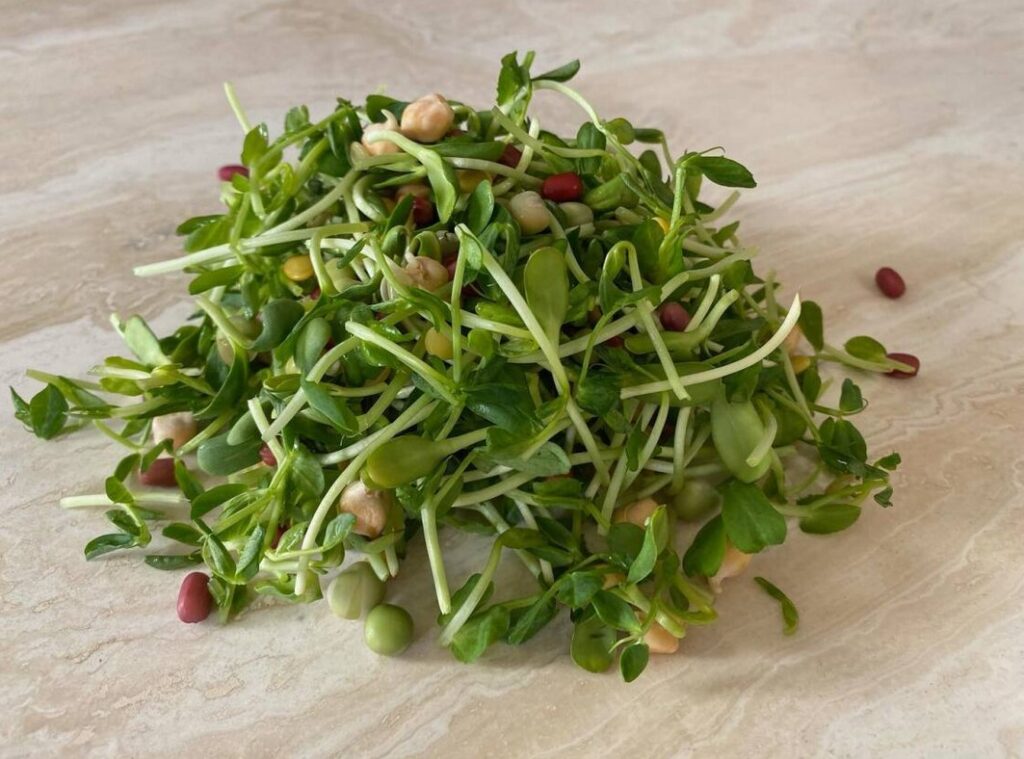
Are Brussels Sprouts Good for People with Type 2 Diabetes?
Many people ask, “are Brussel sprouts good for people with type 2 diabetes?” While they are technically “buds” rather than “sprouts” in the germinated sense, they are nutritionally superior for diabetics.
Brussels sprouts are good for diabetes benefits include:
- Alpha-lipoic acid (ALA): This antioxidant has been shown to lower glucose levels and increase insulin sensitivity.
- High Fiber: One cup provides about 4 grams of fiber, helping you stay full and preventing “overnight” blood sugar spikes.
Can Sprouts Help with Cholesterol & Heart Health?
Diabetes rarely exists in a vacuum. Most patients also monitor their cardiovascular health. So, is sprouts good for diabetes and cholesterol management?
Yes. The soluble fiber in sprouts binds to bile acids in the digestive tract and helps flush cholesterol out of the body. Furthermore, sprouts are rich in potassium, which helps manage blood pressure—a critical factor for diabetic patients who are at a higher risk for heart disease.
How to Eat Sprouts Safely if You Have Diabetes
Safety is the most critical part of how to eat sprouts safely if you have diabetes.
The FDA Warning
The FDA notes that the warm, humid conditions required to grow sprouts are also ideal for Salmonella and E. coli. For a diabetic patient, a foodborne illness can be dangerous, as infection can cause blood sugar to skyrocket.
MD Safety Tips:
- Cook Them: Sautéing, steaming, or boiling sprouts kills harmful bacteria without destroying all the fiber.
- Buy Fresh: Only buy sprouts that are kept refrigerated and look crisp.
- Avoid Raw in Public: If you are eating out, ask for sprouts to be removed from salads or sandwiches unless they are cooked.
Diabetes-Friendly Sprout Recipe Guide
As a board-certified physician, I frequently tell my patients that the best “medicine” is often found in the kitchen. When managing diabetes, your goal is to minimize glucose spikes while maximizing nutrient density.
This Diabetes-Friendly Sprout Recipe Guide focuses on “glucose sequencing”—pairing sprouts with proteins and healthy fats to ensure a slow, steady release of energy.
The Clinical Foundation of Sprout Cooking
To maximize the benefits for blood sugar control, we must follow two medical rules:
- Heat for Safety: We will lightly sauté or steam these sprouts to eliminate the risk of Salmonella or E. coli.
- Fiber-First: These recipes are designed to be eaten at the start of your meal to create a “fiber mesh” in the gut.
The “Sulforaphane” Sauté (Broccoli Sprouts)
Best For: Improving insulin sensitivity and liver health.
Broccoli sprouts contain sulforaphane, which is heat-sensitive. To preserve this compound while staying safe, we use a “low and slow” flash-sauté method.
- Ingredients: 2 cups broccoli sprouts, 1 tbsp extra virgin olive oil, 1 clove minced garlic, a pinch of turmeric, and black pepper.
- Method:
- Heat olive oil in a pan over medium-low heat.
- Add garlic and sauté until fragrant (30 seconds).
- Add broccoli sprouts and toss for exactly 60–90 seconds.
- Remove from heat immediately. The sprouts should be warm but still crisp.
- MD Note: The black pepper increases the bioavailability of the turmeric, adding an anti-inflammatory boost to your meal.
Mung Bean & Ginger “Stir-Fry”
Best For: Lowering post-prandial (after-meal) blood sugar spikes.
Mung bean sprouts are rich in vitexin, which inhibits enzymes that break down carbohydrates into simple sugars.
- Ingredients: 3 cups mung bean sprouts, 1 tsp sesame oil, 1 tbsp freshly grated ginger, 2 green onions, and 1 tbsp coconut aminos (a low-glycemic soy sauce alternative).
- Method:
- Heat sesame oil in a wok or large skillet.
- Add ginger and green onions, stirring for 1 minute.
- Add mung bean sprouts and coconut aminos.
- Sauté for 3–4 minutes until the sprouts are slightly translucent but still have a “snap.”
- Serving Suggestion: Serve this as a side to grilled wild-caught salmon or organic tofu.
The “Fiber-Bomb” Brussels Sprouts Roast
Best For: Long-term satiety and overnight blood sugar stability.
While technically “buds,” Brussels sprouts provide the alpha-lipoic acid (ALA) needed to help muscles upregulate glucose transporters.
- Ingredients: 1 lb Brussels sprouts (halved), 2 tbsp avocado oil (high smoke point), 1/2 tsp smoked paprika, and 1/4 cup crushed walnuts.
- Method:
- Preheat the oven to 400°F (200°C).
- Toss halved sprouts in avocado oil and paprika.
- Roast for 20–25 minutes until the outer leaves are charred.
- Toss with crushed walnuts during the last 5 minutes of roasting.
- MD Note: The fats in the walnuts and avocado oil slow down the digestion of the fiber, preventing a “dawn phenomenon” sugar spike if eaten at dinner.
Mediterranean Chickpea Sprout Salad
Best For: A high-protein, low-GI lunch option.
Sprouted chickpeas have lower levels of phytic acid than canned chickpeas, meaning your body absorbs the magnesium and zinc much more efficiently.
- Ingredients: 1 cup sprouted chickpeas (steamed for 10 mins), 1 cup diced cucumber, 1/2 cup cherry tomatoes, 2 tbsp lemon juice, and 1 tbsp apple cider vinegar (ACV).
- Method:
- Steam your sprouted chickpeas until tender. Let cool.
- Toss with cucumbers and tomatoes.
- Whisk lemon juice, olive oil, and ACV together.
- Pour over the salad and let it sit for 15 minutes before eating.
- Why ACV? Clinical studies show that acetic acid (in ACV) improves insulin sensitivity during a meal by up to 34%.
Sprout Nutrition Comparison Table
| Recipe | Primary Sprout | Total Carbs | Fiber | MD Recommendation |
| Sulforaphane Sauté | Broccoli | 4g | 2g | Eat before breakfast or lunch. |
| Mung Bean Stir-Fry | Mung Bean | 6g | 2g | Excellent for Type 2 management. |
| Fiber-Bomb Roast | Brussels | 8g | 4g | Best for dinner/overnight control. |
| Chickpea Salad | Chickpea | 18g | 5g | Best for active days (higher carb). |
Final Safety Checklist for Diabetics
As a public health specialist, I must emphasize that “Raw is Risky.” If you are managing diabetes, your immune system may be less resilient to foodborne pathogens.
- Wash Thoroughly: Even if you plan to cook them, rinse sprouts under cold running water first.
- Check the “Sniff Test”: If sprouts smell musty or look slimy, discard them immediately.
- Steam if Unsure: If you don’t want to sauté, a 5-minute steam is enough to kill most bacteria while preserving the crunchy texture.
Who Should Not Eat Sprouts?
While sprouts are healthy, they are not for everyone.
- Pregnant Women: Due to the risk of infection.
- Immunocompromised Individuals: Diabetes can sometimes weaken the immune system; if yours is significantly compromised, avoid raw sprouts.
- Those with Kidney Disease: Some sprouts (like alfalfa) contain minerals that may need to be limited in advanced kidney disease.
The Medical-Grade At-Home Sprouting Guide
To minimize the risk of bacterial contamination while maximizing blood sugar control nutrients, we follow a strict “Clean Seed” protocol.
Step 1: Choosing Your Seeds
Never use seeds intended for gardening, as they are often treated with fungicides or pesticides.
- Look for: “Certified Pathogen-Free” or “Organic Sprouting Seeds.”
- Best Diabetes Choices: Mung beans, broccoli seeds, lentils, or fenugreek.
Step 2: The Sanitization Soak (Crucial for Safety)
This is the step most people skip, but as an MD, I insist on it. We must sanitize the outside of the seeds to kill any dormant Salmonella or E. coli.
- The Solution: Mix 2 tablespoons of Apple Cider Vinegar with 1 cup of water.
- The Soak: Submerge your seeds in this solution for 15 minutes before your main soak.
- Rinse: Rinse thoroughly with filtered water.
Step 3: The Germination Phase
- Primary Soak: Place the sanitized seeds in a wide-mouth glass jar. Cover with 2 inches of filtered water. Soak for 8–12 hours (overnight).
- Drain and Rinse: Drain the water using a mesh sprouting lid or cheesecloth.
- The Angle: Prop the jar at a 45-degree angle in a bowl. This allows excess moisture to drain and air to circulate.
Step 4: The Rinse Cycle (Rinse 2x Daily)
Bacteria thrive in stagnant water. You must rinse and drain your sprouts at least twice a day (morning and night).
- Use cool, filtered water.
- Ensure the sprouts are not sitting in a pool of water at the bottom of the jar.
Step 5: The Harvest and “Green-Up”
Once the sprouts reach about 1–2 inches (usually 3–5 days):
- Sunlight: Place the jar in indirect sunlight for a few hours. This triggers chlorophyll production, which adds more magnesium—a mineral vital for insulin sensitivity.
- Final Wash: Do a final, thorough rinse.
- The Dry: This is the most important step for storage. Spin them in a salad spinner or pat them dry with a clean paper towel. Moisture equals mold.
How to Tell if Your Sprouts are Safe or Spoiled
As a public health specialist, I want you to trust your senses. If you have any doubt, throw them out.
| Sign | Safe Sprout | Unsafe/Spoiled Sprout |
| Smell | Fresh, earthy, like a garden. | Musty, sour, or like ammonia. |
| Texture | Crisp and firm. | Slimy, mushy, or “sticky.” |
| Color | White/Yellow stems with Green tips. | Brown, gray, or black spots. |
| Roots | Fine “root hairs” (normal). | Fuzzy white mold (not normal). |
Storage and Consumption for Diabetics
- Storage: Keep your dry sprouts in a sealed container in the refrigerator for no more than 3–5 days.
- Consumption: As discussed in our recipe guide, always cook your homegrown sprouts if you are in a high-risk group (Type 2 Diabetes, over age 65, or pregnant). A quick 2-minute steam is enough to ensure safety while keeping the nutrition intact.
The Diabetes Sprout & Glucose Log
Use this log for 14 days. By the end of two weeks, you will identify which “super-sprout” provides the most stable glycemic response for your body.
How to Use This Log
- Test Baseline: Check your blood sugar immediately before your meal.
- Sequencing: Eat your sprouts first (as a small sauté or steamed side).
- Test Post-Prandial: Check your blood sugar 2 hours after your first bite.
- Note the “Delta”: The “Delta” is the difference between your pre-meal and post-meal numbers. A delta of less than 30 mg/dL is generally considered a “stable” response.
14-Day Tracking Sheet
| Date | Sprout Variety | Prep Method (Sauté/Steam) | Pre-Meal Glucose | 2-Hr Post-Meal | Glucose Delta | Energy Level (1-10) |
| Jan 1 | Broccoli | 90-sec Sauté | ||||
| Jan 2 | Mung Bean | Steamed | ||||
| Jan 3 | Lentil | Stir-fry | ||||
| Jan 4 | Fenugreek | Sautéed | ||||
| Jan 5 | Brussels | Roasted |
Clinical “Cheat Sheet” for Result Analysis
As you fill out your log, look for these clinical patterns. If you see these trends, your is sprouts good for diabetes is working.
- The “Lentil Leveler”: You may find that lentil or chickpea sprouts result in the lowest “Delta” because their high protein content blunts the sugar response of the rest of your meal.
- The “Broccoli Benefit”: You may notice that after a few days of broccoli sprouts, your fasting (morning) glucose begins to trend lower. This is the sulforaphane working on your liver’s glucose production.
- The “Fiber Fullness”: Rate your hunger. If you feel full for 4+ hours after a meal with sprouts, your insulin levels are likely staying lower and more stable.
Medical Safety Check: When to Stop
While rare, if you notice any of the following while tracking, pause the sprouts and consult your clinician:
- Digestive Distress: Severe bloating or gas (sprouts are high in FODMAPs; you may need to increase portions slowly).
- Unexpected Spikes: If a specific sprout (like higher-carb chickpea sprouts) spikes your sugar more than 50 mg/dL, reduce the portion size or ensure it’s paired with more healthy fats (like olive oil).
- Symptoms of Infection: Fever, nausea, or diarrhea (stop immediately and call your doctor to rule out foodborne illness).
FAQs: People Also Ask (PAA)
Which sprout is best for diabetes?
Broccoli sprouts are often considered the best because they contain sulforaphane, which directly targets liver glucose production and improves insulin sensitivity.
What happens if I eat sprouts daily?
Eating sprouts daily can lead to improved digestion and more stable blood sugar trends. However, ensure you vary the types of sprouts to get a broad spectrum of nutrients and always cook them to avoid bacterial infection.
What foods lower blood sugar overnight?
High-fiber foods like sprouts, leafy greens, and vinegar-based dressings paired with lean protein can help stabilize blood sugar levels while you sleep.
Final Medical Takeaway
Sprouts are a nutrient-dense “superfood” that can significantly assist in managing Type 2 diabetes. They provide the fiber and antioxidants necessary to combat insulin resistance and protect heart health. However, they are a supplement to—not a replacement for—prescribed medications and a balanced lifestyle.
Medical References & E-E-A-T Trust Signals
- American Diabetes Association (ADA): Standards of Care in Diabetes—2024. https://diabetes.org/
- National Institutes of Health (NIH): Sulforaphane and Glucose Production. https://www.ncbi.nlm.nih.gov/pmc/articles/PMC5482869/
- FDA: Sprout Safety Advice. https://www.fda.gov/food/buy-store-serve-safe-food/sprouts-what-you-should-know
- Journal of Medicinal Food: Antioxidant properties of sprouted seeds.