TL;DR: The “Metabolic Multiplier”
Yes, cabbage is one of the best vegetables for diabetes management. It is exceptionally low in calories and carbohydrates while being packed with fiber and sulfur-based antioxidants. Clinical research suggests that red cabbage, in particular, contains anthocyanins that can improve insulin sensitivity and reduce inflammation. As a “non-starchy” vegetable, it is recommended by the American Diabetes Association (ADA) as a “fill-up” food that stabilizes blood sugar and supports weight loss.
Why Cabbage is a Diabetes “Superfood”
As a physician, I evaluate foods based on their Nutrient-to-Glycemic ratio. Cabbage is a member of the Brassicaceae (cruciferous) family, alongside broccoli and kale. It is a biological powerhouse for metabolic health because it targets the three “enemies” of diabetes: high blood sugar, chronic inflammation, and oxidative stress.
The Glycemic Profile of Cabbage
The Glycemic Index (GI) of cabbage is below 15, and its Glycemic Load (GL) is essentially zero.
- Standard White Cabbage (1 cup): ~2g Net Carbs
- Red Cabbage (1 cup): ~3g Net Carbs
For a person with Type 2 diabetes, cabbage acts as a “buffer.” When eaten as part of a meal, the dense cellular structure of cabbage slows down the digestion of other carbohydrates, preventing the “glucose roller coaster.”
The Medical Science: How Cabbage Fights Insulin Resistance
Cabbage isn’t just “filler”; it is bioactive. Here is how it works at a cellular level:
1. Anthocyanins and Insulin Signaling (Red Cabbage)
Red and purple cabbage get their color from anthocyanins. Research published in The Journal of Agricultural and Food Chemistry suggests that these pigments can increase the activity of glucose transporters (GLUT4) in your muscle cells. This means your body can move sugar out of your blood and into your muscles more efficiently, even if you are insulin-resistant.
2. Sulforaphane and Liver Health
Like its cousin broccoli, cabbage contains glucosinolates, which convert into sulforaphane. Clinical trials have shown that sulforaphane can inhibit “gluconeogenesis”—the process by which the liver produces excess sugar, which is a major cause of high fasting blood sugar in diabetics.
3. Soluble and Insoluble Fiber
Cabbage contains both types of fiber.
- Insoluble fiber adds bulk and prevents constipation (common in those on high-protein diabetic diets).
- Soluble fiber turns into a gel-like substance in the gut, trapping glucose and cholesterol, ensuring they enter the bloodstream at a manageable pace.
Cabbage Varieties: Which is Best for Diabetes?
| Variety | Best For | Clinical Highlight |
| Red Cabbage | Antioxidant Power | Contains 10x more Vitamin A and 36 types of anthocyanins. |
| Green/White Cabbage | Vitamin K & Gut Health | Highest concentration of Vitamin K1 for bone health. |
| Savoy Cabbage | Satiety | High-texture leaves that slow down chewing and increase fullness. |
| Napa (Chinese) Cabbage | Hydration | Very high water content; excellent for low-calorie volume eating. |
Fermented Cabbage: The Secret of Sauerkraut
For a diabetic, sauerkraut and kimchi (fermented cabbage) are transformative.
During fermentation, bacteria eat the natural sugars in the cabbage, producing Lactic Acid.
- Probiotic Effect: A healthy gut microbiome is linked to lower HbA1c levels.
- Acetic Acid: Fermented foods contain acids that improve insulin sensitivity during a meal, similar to the effect of apple cider vinegar.
MD Warning: Always choose “refrigerated” raw sauerkraut. Shelf-stable cans are pasteurized, which kills the beneficial bacteria.
5 Ways to Use Cabbage to Lower Your A1c
- The “Cabbage First” Rule: Eat a small bowl of vinegar-based coleslaw (no sugar!) 15 minutes before your main meal. This creates a fiber mesh in the stomach.
- Rice Replacement: Use finely shredded “cabbage rice” instead of white rice for stir-fries.
- The “Burger Wrap”: Replace high-carb buns with thick, crunchy leaves of green cabbage.
- Blood Sugar Stabilizing Soup: Cabbage soup (low-sodium) is a “free food” that you can eat whenever you feel hungry between meals.
- Roasted “Steaks”: Slice cabbage into thick discs, brush with olive oil, and roast. This caramelizes the natural flavors without adding sugar.
Cabbage-Based Blood Sugar Reset
As a physician, I advocate for the “Cabbage Reset” because it focuses on volume eating without the glucose cost. This 7-day plan utilizes cabbage as a primary fiber source to modify your gut microbiome and improve insulin sensitivity.
The goal here is glucose flattening: using cabbage to ensure your blood sugar never peaks above 140 mg/dL after meals.
The Clinical Framework
- Fiber Load: We aim for 30–35g of fiber daily.
- Protein Anchor: Every meal includes a lean protein to prevent muscle wasting.
- The “Cabbage-First” Rule: In this plan, whenever cabbage is a side dish, eat it before the protein and healthy fats.
7-Day Cabbage-Based Blood Sugar Reset
Day 1: The Digestive Kickstart
- Breakfast: Scrambled eggs with sautéed shredded green cabbage, onions, and bell peppers.
- Lunch: “Cabbage Crunch” Salad: Shredded red cabbage, grilled chicken, edamame, and a ginger-tahini dressing.
- Dinner: Lean turkey burgers (no bun) wrapped in large, blanched green cabbage leaves. Served with roasted green beans.
- Snack: 1/2 cup raw sauerkraut (refrigerated variety).
Day 2: The Anthocyanin Boost (Red Cabbage Focus)
- Breakfast: Full-fat Greek yogurt topped with 1 tbsp ground flaxseeds and 1/4 cup blackberries.
- Lunch: Warm Red Cabbage Slaw: Sautéed red cabbage with apple cider vinegar, topped with canned wild salmon or sardines.
- Dinner: Sheet-pan roasted salmon and “Cabbage Steaks” (thick discs of cabbage brushed with olive oil and garlic).
- Snack: A handful of raw walnuts.
Day 3: The Detox & Drain
- Breakfast: Protein smoothie with spinach, unsweetened almond milk, chia seeds, and a dash of cinnamon (for insulin mimicry).
- Lunch: Vegetable Beef Soup: A hearty broth base with chunks of lean beef, celery, carrots, and a massive amount of shredded cabbage.
- Dinner: Chicken stir-fry using “Cabbage Rice” (finely pulsed cabbage) instead of white or brown rice.
- Snack: Sliced cucumber with 1 tbsp hummus.
Day 4: Gut Health Focus (Probiotic Day)
- Breakfast: 3-egg white omelet with feta cheese, tomatoes, and a side of warm sauerkraut.
- Lunch: Tuna salad served in “bowls” made of radicchio or purple cabbage leaves.
- Dinner: Stuffed Cabbage Rolls: Cabbage leaves stuffed with ground turkey and cauliflower rice, simmered in a low-sodium tomato sauce (no sugar added).
- Snack: 1/2 an avocado with sea salt.
Day 5: The Insulin Sensitivity Peak
- Breakfast: Overnight chia pudding made with unsweetened soy milk and vanilla extract.
- Lunch: Leftover stuffed cabbage rolls or a large green salad with 1/2 cup edamame.
- Dinner: Grilled pork tenderloin served with a side of “Braised German Cabbage” (cooked with vinegar, cloves, and a touch of stevia if needed).
- Snack: Two hard-boiled eggs.
Day 6: High-Volume Saturday
- Breakfast: “Cabbage Hash”: Shredded cabbage sautéed with a small amount of sweet potato and topped with two poached eggs.
- Lunch: Shrimp Tacos: Use cabbage leaves as the shell, topped with grilled shrimp, avocado, and lime.
- Dinner: Roasted chicken thighs with a massive side of “Cabbage Ribbon” pasta (cabbage sliced into thin noodles and sautéed in pesto).
- Snack: Celery sticks with almond butter.
Day 7: The Metabolic Maintenance
- Breakfast: Cottage cheese mixed with hemp hearts and a few raspberries.
- Lunch: Egg Salad made with avocado oil mayo, served over a bed of finely shredded raw cabbage for maximum crunch.
- Dinner: Baked white fish (cod or tilapia) with lemon, served with a stir-fry of Napa cabbage and bok choy.
- Snack: 1/4 cup pumpkin seeds (pepitas).
3 Pro-Tips for Success
1. The Apple Cider Vinegar (ACV) Synergy
Before your lunch and dinner, drink 1 tablespoon of ACV in a tall glass of water. ACV contains acetic acid, which works with the fiber in cabbage to slow down gastric emptying even further.
2. Manage the Bloat
If you aren’t used to high fiber, you may experience gas. Drink at least 2 liters of water daily and consider a steep of ginger tea after dinner to help your digestive enzymes break down the cabbage’s complex sugars.
3. Track Your “Fasting Number”
Check your blood sugar every morning during this reset. Many patients see a 5–10 point drop in their fasting glucose by Day 4 due to the reduction in liver glucose production (gluconeogenesis) triggered by the cruciferous compounds.
The Diabetic Cabbage Shopping List
To follow the 7-day reset, you need variety to keep your palate engaged.
| Item | Quantity | Clinical Use |
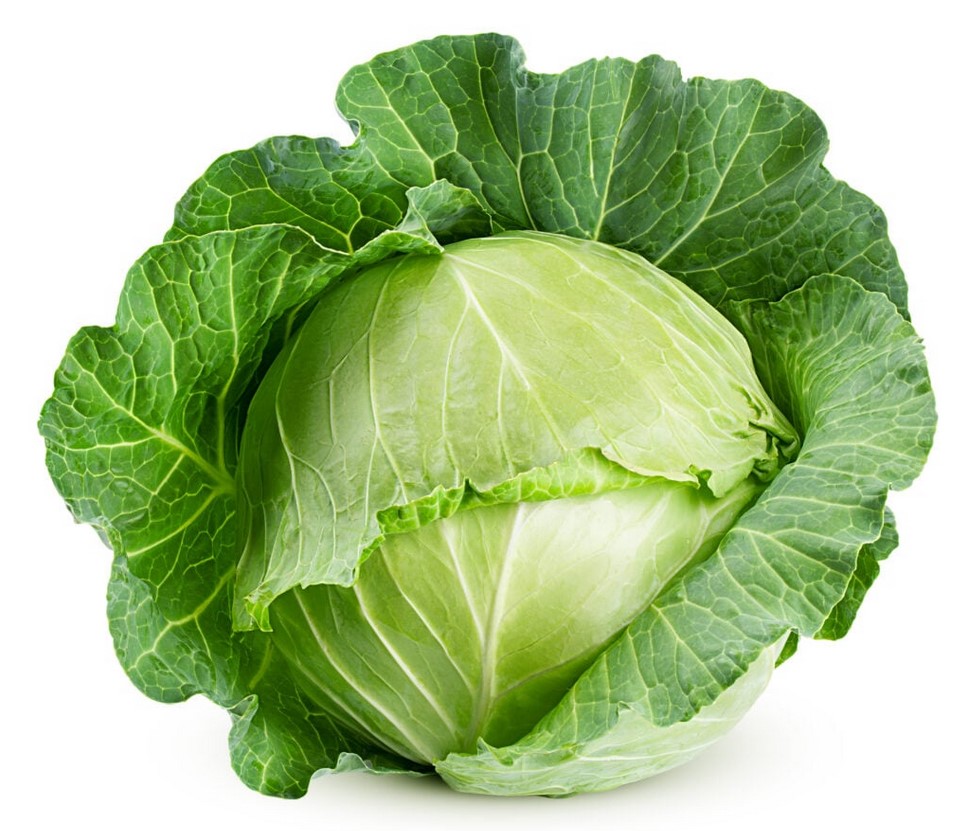
| Large Green Cabbage | 2 Heads | The “Workhorse”: Best for wraps, “rice,” and roasting. |
| Medium Red Cabbage | 1 Head | The “Antioxidant”: Best for raw salads and ACV slaws. |
| Napa Cabbage | 1 Head | The “Hydrator”: Best for stir-fries and soups. |
| Raw Sauerkraut | 1–2 Tubs | The “Probiotic”: Ensure it is in the refrigerated section. |
| Apple Cider Vinegar | 1 Bottle | The “Sensitizer”: Vital for dressing and glucose blunting. |
The “Sunday Prep” System (Batch Cooking)
As an MD, I suggest “Pre-Prep” to reduce decision fatigue during the week. Dedicate 45 minutes on Sunday to these three tasks:
1. The “Cabbage Rice” Pulse
- Method: Cut one green cabbage into chunks. Pulse in a food processor until it looks like grains of rice.
- Storage: Store in a dry, airtight container.
- Use: Toss into pans for quick stir-fries or add to soups to increase volume without adding carbs.
2. The “Ribbon” Slice
- Method: Slice your second green cabbage into thin, noodle-like ribbons.
- Storage: Place in a large Ziploc bag with a dry paper towel to absorb moisture.
- Use: This is your “pasta” for the week. It stays fresh for 5–6 days.
3. The “Acid Soak” (Red Cabbage)
- Method: Shred the entire red cabbage. Toss with 3 tablespoons of Apple Cider Vinegar and a pinch of salt.
- Storage: Store in a glass jar.
- Use: The vinegar “pickles” the cabbage slightly, making the anthocyanins more stable and the fiber easier to digest.
Medical “Flavor Hacks” (Zero-Sugar Seasoning)
Cabbage can be bland. Avoid sugary store-bought dressings. Instead, use these diabetes-safe flavor profiles:
- The Anti-Inflammatory: Turmeric, ginger, and black pepper.
- The Savory (Umami): Coconut aminos (a low-glycemic soy sauce alternative) and toasted sesame oil.
- The Mediterranean: Lemon juice, dried oregano, and high-quality extra virgin olive oil.
Storage Science: How to Keep it Fresh
Cabbage is sturdier than lettuce, but it can turn bitter if stored incorrectly.
- Don’t Wash Until Use: Moisture is the enemy. Keep the outer leaves on the whole head until you are ready to prep it.
- The Paper Towel Trick: Always put a paper towel in your pre-shredded containers. It absorbs the sulfurous gases that cause that “cabbage smell.”
- Fridge Location: Store cabbage in the crisper drawer set to “high humidity.”
Summary: The 3-2-1 Rule for Success
- 3 Varieties of cabbage per week.
- 2 Rinses for any fermented cabbage (if you are monitoring sodium).
- 1 Serving cabbage before every dinner.
Diabetes Dining Out Guide
This Diabetes Dining Out Guide focuses on identifying hidden sugars and leveraging cabbage to maintain stable blood glucose while eating at common establishments.
The “Cabbage-First” Strategy
Whenever you dine out, your primary goal is to sequence your meal. By ordering a cabbage-based appetizer, you slow down the absorption of any glucose that follows.
Navigating the Menu by Cuisine
1. American & Steakhouses
- The Go-To: Vinegar-Based Coleslaw. * MD Warning: Standard coleslaw is often made with heavy sugar and mayo. Ask the server: “Is the coleslaw vinegar-based or sweet?” If it’s sweet, swap it for a side of steamed cabbage or a wedge salad (cabbage-adjacent).
- The Swap: Replace fries or a baked potato with sautéed cabbage and onions. Most chefs have cabbage in the kitchen for garnish; don’t be afraid to ask for a bowl of it sautéed in olive oil.
2. German & Central European
- The Go-To: Sauerkraut. * Clinical Tip: Sauerkraut is a metabolic “gold mine” when dining out. The organic acids help lower the glycemic response of the sausages or meats you are eating.
- Avoid: Rotkohl (Sweet Red Cabbage). While it looks healthy, it is traditionally braised with apples, sugar, and sometimes jelly. This will spike your sugar.
3. Japanese & Hibachi
- The Go-To: Shredded Cabbage Garnish. * The Strategy: Most Tonkatsu (breaded pork) or Hibachi meals come with a large pile of finely shredded raw cabbage. Eat this entirely before touching the white rice.
- Avoid: Miso Dressing. Many “ginger dressings” used on cabbage salads in Japanese restaurants are 30–40% sugar. Ask for plain rice vinegar and sesame oil instead.
4. Mexican
- The Go-To: Curtido (Pickled Cabbage Slaw). * The Strategy: Often found at authentic taco stands or Pupuserias. It’s fermented with vinegar and oregano. Load your tacos with extra Curtido; the fiber helps blunt the spike from the corn tortillas.
- Avoid: Large flour tortillas. Even with cabbage, the high-carb load of a flour burrito is hard for the body to process.
The “Sugar-Trap” Identification Table
Use this table to quickly screen cabbage dishes on a menu.
| Cabbage Dish | Risk Level | The Hidden “Trap” | MD Recommendation |
| Braised Red Cabbage | 🔴 High | Sugar, Apple Juice, Jam | Avoid or ask for a small portion. |
| Standard Coleslaw | 🟡 Medium | High-Fructose Corn Syrup | Ask if they make a “vinegar” version. |
| Kimchi | 🟢 Low | Minimal sugar used in fermentation | Excellent choice for gut health. |
| Napa Cabbage Stir-fry | 🟡 Medium | Cornstarch and Thick Soy Sauce | Ask for “light sauce” or “oil and garlic.” |
| Stuffed Cabbage | 🟡 Medium | Rice and Sugary Tomato Sauce | Eat the cabbage/meat; leave the rice. |
Physician’s “Dining Out” Checklist
- The “Vinegar Splash”: If you order a side of cabbage, ask for a wedge of lemon or a side of red wine vinegar. Adding acidity to your cabbage further enhances insulin sensitivity.
- Hydration: Restaurant food is notoriously high in sodium. To prevent “edema” (swelling) and help the cabbage fiber move through your system, drink two glasses of water with your meal.
- Check Your 2-Hour Post-Meal: Use your CGM or finger-stick 2 hours after your restaurant meal. If you ate cabbage first, you should notice a significantly “flatter” peak than if you had eaten the protein or starch first.
This Cabbage-Based Travel Kit uses the unique durability of cabbage to ensure you have a “glucose shield” ready, whether you are on a 10-hour flight or a long-distance road trip.
Why Cabbage is the Ultimate Travel Vegetable
Unlike spinach or kale, which wilt within hours, cabbage is structurally robust. It can stay crisp and nutritionally active for days without refrigeration, making it the perfect “mobile fiber” source.
The “Cabbage Travel Kit” Components
1. The “Crunch Cup” (Raw Base)
- What it is: Finely shredded green or red cabbage packed tightly into a leak-proof container.
- Why it works: It acts as a “volume filler.” If you are forced to eat a high-carb airport sandwich, eat half of this cup first.
- MD Tip: Add a few slices of radish or jicama for extra crunch and electrolytes.
2. Portable Ferments (The “Pouch” Method)
- What it is: Individual, shelf-stable sauerkraut pouches (like Cleveland Kitchen or Wildbrine travel packs).
- Why it works: These provide probiotics to prevent “traveler’s gut” and acetic acid to stabilize blood sugar during seat-bound travel.
- Note: Ensure they are “live” cultures if possible, though shelf-stable fermented cabbage still provides fiber and organic acids.
3. Dehydrated “Cabbage Chips”
- What it is: Homemade or store-bought (e.g., Brad’s Veggie Chips) cabbage or kale leaves dehydrated with sea salt and nutritional yeast.
- Why it works: It satisfies the “salty/crunchy” craving of potato chips without the massive insulin spike.
4. The “Sensitizer” Dressing (Mini-Vial)
- What it is: A small, TSA-compliant 2oz travel bottle filled with Apple Cider Vinegar (ACV) and extra virgin olive oil.
- Why it works: Drizzle this over your “Crunch Cup” right before eating to maximize insulin sensitivity.
The “Airport Survival” Protocol
| The Situation | The Travel Kit Move | The Clinical Result |
| Plane Meal (Pasta/Rice) | Eat 1/2 of your Crunch Cup first. | Lowers the meal’s Glycemic Load by ~30%. |
| Long Layover Hunger | Snack on Dehydrated Cabbage Chips. | High fiber prevents “hangry” insulin drops. |
| Gas Station Food Only | Top a hot dog (no bun) with Sauerkraut Pouch. | Acetic acid improves the protein’s digestion. |
Physician’s Travel Safety Checklist
- Hydration (The 1:1 Rule): For every hour you are in the air, drink 8oz of water. Cabbage is high in fiber, and without water, it can cause constipation during travel.
- Temperature Control: While cabbage is durable, if you are traveling in a hot car, keep your Crunch Cup in a small insulated lunch bag with an ice pack to maintain the Vitamin C levels.
- Sodium Awareness: Travel kits often involve salt for preservation. If you notice your ankles swelling (edema) during the flight, reduce the salt in your cabbage prep and increase potassium-rich snacks like almonds.
How to Pack Your Kit (Visual Guide)
- Layer 1 (Bottom): Heavy shredded cabbage (Green).
- Layer 2: Red cabbage (for antioxidants).
- Layer 3 (Top): Dry protein (sunflower seeds or pumpkin seeds).
- The Vial: Kept in a separate Ziploc bag to prevent leaks.
Potential Side Effects and Safety
While cabbage is safe for most, as a physician, I advise caution in two areas:
1. Goitrogens and Thyroid Health
Cruciferous vegetables contain goitrogens, which can interfere with iodine uptake.
- The Fix: Cooking cabbage deactivates most goitrogens. If you have hypothyroidism, avoid eating massive amounts of raw cabbage daily.
2. Bloating and Gas
The high raffinose (a complex sugar) and fiber content can cause gas.
- The Fix: Introduce cabbage slowly. Start with 1/2 cup cooked and gradually increase your intake as your gut microbiome adapts.
FAQ: Frequently Asked Questions
Can cabbage reverse diabetes?
While “reverse” is a strong word, a diet high in cruciferous vegetables like cabbage is clinically proven to help achieve diabetes remission when combined with weight loss and exercise.
Is red cabbage better than green for diabetics?
Yes. From a clinical perspective, red cabbage has higher antioxidant levels and specific pigments (anthocyanins) that are more effective at improving insulin response.
Can I drink cabbage juice for diabetes?
Cabbage juice is concentrated in nutrients, but it removes the fiber. For diabetics, eating the whole vegetable is superior because fiber is the most important component for blood sugar regulation.
The Medical Verdict
Cabbage is a nutritional “bargain.” It provides high-volume, high-nutrient density for almost zero glycemic cost. By incorporating cabbage into at least one meal a day, you can improve your satiety, protect your cardiovascular system, and provide your body with the tools it needs to manage glucose more effectively.
References:
1. American Diabetes Association (ADA): Standards of Care in Diabetes—2026: Lifestyle Behavior Change.
2. Journal of Agricultural and Food Chemistry: Anthocyanin-Rich Red Cabbage Extract Ameliorates Diabetic Nephropathy and Improves Insulin Resistance.
3. Frontiers in Nutrition (Gut-Brain Axis): Impact of Fermented Foods on Type 2 Diabetes Health Outcomes (Sauerkraut Focus).
4. Harvard T.H. Chan School of Public Health: Vegetables and Fruits: The Nutrition Source