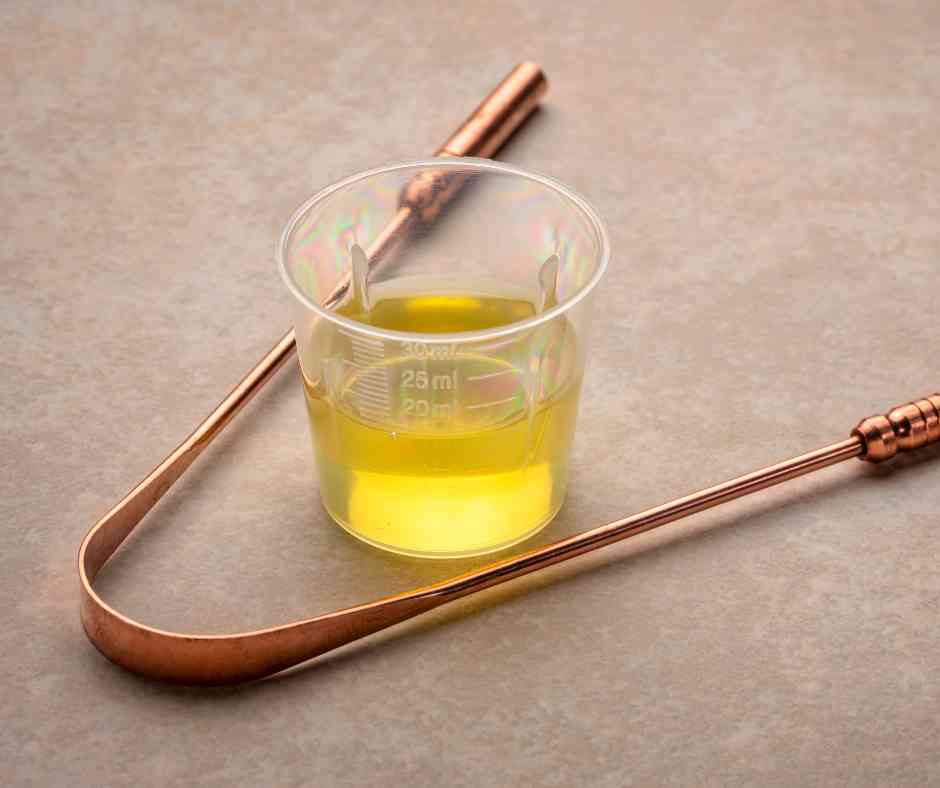
In the ever-evolving landscape of “Vital Health,” ancient traditions often find themselves under the modern microscope. One such practice is oil pulling—an Ayurvedic ritual that has transitioned from a niche holistic habit to a mainstream wellness trend.
Proponents claim it can whiten teeth, “detox” the body, and even improve skin clarity. But what does science actually say?
As we continue to expand HIVScotland.com into a hub for evidence-based wellness, we believe in stripping away the marketing “noise.” This comprehensive guide examines the benefits of oil pulling, the biological mechanisms at play, and where the line is drawn between genuine oral health support and internet hyperbole.
What Is Oil Pulling?
At its core, oil pulling is a traditional folk remedy originating from ancient India. Known as kavala or gandusha in Ayurvedic texts, the process involves swishing a tablespoon of edible oil in the mouth for a duration of 15 to 20 minutes before spitting it out.
Why People Search for the Benefits of Oil Pulling
The modern appeal lies in its simplicity. Unlike chemical-heavy mouthwashes, oil pulling utilizes food-grade oils—most commonly coconut, sesame, or sunflower. People use it primarily to reduce harmful oral bacteria, freshen breath, and support gum health without the use of alcohol or synthetic dyes.
Mechanically speaking, oil pulling works through a process of emulsification. As you swish, the oil mixes with your saliva, creating a thin liquid that reaches into the tight gaps between teeth and along the gingival (gum) line, areas where traditional brushing may miss.
How Does Oil Pulling Work? (The Biological Reality)
Many “detox” influencers claim that oil “pulls” toxins from the blood through the tongue. This is a myth. There is no biological evidence that the tongue acts as a filter for systemic toxins. However, oil pulling does work through two legitimate scientific mechanisms:
- Saponification (Soap-Making): The alkali in your saliva reacts with the fats in the oil. This creates a soapy substance that breaks down the fatty membranes of bacteria.
- Lipid Adhesion: Most oral bacteria, including the cavity-causing Streptococcus mutans, are covered in a lipid (fat) membrane. Just as oil attracts oil, the swishing process causes these bacteria to become “trapped” in the oil, which you then physically remove when you spit.
Benefits of Oil Pulling for Teeth
When people ask, “What are the benefits of oil pulling for teeth?” they are usually looking for a cleaner, whiter smile. While it won’t replace a professional dental cleaning, it offers several evidence-supported advantages.
1. Reduction of Plaque Bacteria
Plaque is a “biofilm” of bacteria that coats the teeth. If left unchecked, it hardens into tartar. Studies have shown that consistent oil pulling can significantly reduce the amount of S. mutans in the mouth, effectively slowing the rate of plaque formation.
2. Fresher Breath (Halitosis Management)
Bad breath is often caused by the metabolic byproducts of bacteria on the tongue and between teeth. By reducing the bacterial load, oil pulling can provide a natural alternative to mouthwash for managing halitosis.
3. Support for Gum Health
By reducing the irritation caused by plaque at the gum line, oil pulling can help reduce the redness and swelling associated with mild gingivitis. However, it is not a treatment for advanced periodontal disease.
Health Benefits of Oil Pulling: Real vs. Hype
It is essential to separate oral health from systemic health.
- The Reality: Improving oral health reduces systemic inflammation. We know that gum disease is linked to heart disease and diabetes. Therefore, by keeping your mouth clean through oil pulling (and brushing), you are indirectly supporting your overall health.
- The Hype: There is zero clinical evidence that oil pulling cures asthma, migraines, or hormonal imbalances. Claims that oil pulling “detoxes the liver” are medically inaccurate.
Oil Pulling Benefits List (Quick Overview)
If you are looking for a fast breakdown, here is what oil pulling actually offers:
- Reduces harmful oral bacteria (specifically S. mutans).
- Diminishes plaque-induced gingivitis.
- Provides a natural remedy for bad breath.
- Moisturizes dry oral tissues (beneficial for xerostomia).
- Contains no alcohol or artificial sweeteners.
- May lift surface-level stains from coffee or tea.
Benefits of Oil Pulling with Coconut Oil
Coconut oil is currently the most popular choice for this practice.
The Lauric Acid Factor
Coconut oil is rich in lauric acid, which is known for its antimicrobial and anti-inflammatory properties. In the mouth, lauric acid reacts with saliva to form monolaurin, which is particularly effective at inhibiting the growth of bacteria and fungi (like Candida).
Texture and Taste: Many prefer coconut oil because it has a milder, more pleasant taste than sesame or sunflower oil. However, because it is solid at room temperature, it requires a moment of melting in the mouth before swishing can begin.
Coconut Oil Pulling Dangers
Despite the benefits, “natural” does not always mean “risk-free.”
- Aspiration Risk: If the oil is accidentally inhaled into the lungs, it can cause lipid pneumonia. This is why it is not recommended for children or people with swallowing disorders.
- Clogged Pipes: Never spit coconut oil into the sink; it will solidify and cause plumbing blockages.
- GI Upset: Swallowing the oil can lead to nausea or diarrhea, as it is now concentrated with bacteria and waste.
Benefits of Oil Pulling with Other Oils
While coconut oil is the current “trend,” other oils have historical and clinical significance:
Sesame Oil
This is the traditional oil used in Ayurveda. It contains sesamin and sesamol, powerful antioxidants that may offer superior protection against oxidative stress in the oral tissues.
Olive Oil
Extra virgin olive oil contains polyphenols and has a high concentration of Vitamin E. While less common for pulling, it is a safe, effective alternative that many people already have in their pantry.
Castor Oil (Proceed with Caution)
Some search for “benefits of oil pulling with castor oil.” The evidence here is extremely limited. Castor oil is a potent laxative and can be quite irritating to the digestive tract if even a small amount is swallowed. It is generally not recommended by dentists for oral use.
Oil Pulling Oral Rinse vs. Commercial Mouthwash
| Feature | Oil Pulling | Commercial Mouthwash |
| Active Ingredient | Natural Lipids / Lauric Acid | Alcohol, Chlorhexidine, or Fluoride |
| Duration | 15–20 Minutes | 30–60 Seconds |
| Microbiome Impact | Selective / Gentle | Can be harsh (kills good bacteria) |
| Stain Removal | Surface stains only | Some have bleaching agents |
Benefits of Oil Pulling for Skin and Hair
Can swishing oil in your mouth make your hair grow, or your acne vanish?
- For Skin: There is no direct link. However, if your skin issues are triggered by chronic systemic inflammation, and oil pulling helps lower that inflammation by improving gum health, you might see a marginal improvement in skin clarity.
- For Hair: This is a myth. There is no biological pathway from the oral cavity to the hair follicle that would be influenced by oil pulling.
Benefits of Oil Pulling and Weight Loss (The Verdict)
Verdict: Myth.
Oil pulling does not burn fat, increase metabolism, or suppress appetite. In fact, if you accidentally swallow the oil, you are adding roughly 120 calories of pure fat to your daily intake. If weight loss is your goal, oil pulling is not the tool.
Oil Pulling Before and After: What Changes Are Real?
If you start oil pulling today, what will you see in 30 days?
- Day 1–7: You may notice your mouth feels “cleaner” and your breath stays fresher for longer in the morning.
- Day 14: You might notice a reduction in “morning breath” and less bleeding during flossing.
- Day 30: Some users report that their teeth look “brighter” because surface-level plaque and stains have been consistently managed.
Scientific Evidence on Oil Pulling Benefits
The scientific community is cautiously interested in oil pulling. A study published in the Journal of Clinical and Diagnostic Research found that oil pulling was nearly as effective as chlorhexidine (a prescription mouthwash) in reducing plaque-induced gingivitis.
The Limitations:
Most studies are small (under 50 participants) and short-term. While the results are promising, the American Dental Association (ADA) maintains that there is not enough evidence to recommend oil pulling as a standard dental treatment. At HIVScotland, we view it as a “low-risk, moderate-reward” adjunct to your existing routine.
How to Do Oil Pulling Safely (Step-by-Step)
- Measure: Take 1 tablespoon of high-quality, organic oil (Coconut or Sesame).
- Swish: Pull the oil through your teeth and around your gums. Do not gargle, as this increases the risk of swallowing or aspiration.
- Timing: Aim for 15–20 minutes. If your jaw gets tired, start with 5 minutes and work your way up.
- Spit: Spit the oil into a trash can (not the sink).
- Rinse & Brush: Rinse your mouth with warm salt water, then brush your teeth as usual to remove any remaining oil and bacteria.
Do I Brush My Teeth After Oil Pulling?
Yes. Oil pulling is a “pre-clean.” It loosens the bacteria and plaque, but you still need the mechanical action of a toothbrush and the remineralizing power of fluoride (or hydroxyapatite) toothpaste to finish the job.
Disadvantages & Side Effects of Oil Pulling
- Jaw Fatigue: 20 minutes of swishing can lead to TMJ strain or muscle soreness.
- Lipid Pneumonia: As mentioned, this is the most serious risk. Never lie down while oil pulling.
- Nausea: The “mouthfeel” of oil can trigger the gag reflex in some people.
- Delayed Care: The biggest danger is people using oil pulling instead of seeing a dentist for a painful tooth or bleeding gums.
Healthy Smile Grocery List
Building a Healthy Smile starts in the kitchen. While we often think about what to avoid (sugar and acid), focusing on “Remineralizing Foods” provides the calcium, phosphorus, and vitamins your body needs to maintain strong enamel and healthy gum tissue.
Here is your dentist-reviewed grocery list for optimal oral health.
1. The Enamel Builders (Calcium & Phosphorus)
Enamel is a crystal structure made of minerals. These foods help replace minerals lost to acid erosion.
- High-Quality Dairy: Grass-fed cheese, plain Greek yogurt, and kefir. Cheese, in particular, contains casein, a protein that helps stabilize and repair tooth enamel.
- Canned Fish with Bones: Sardines and canned salmon. These are rare sources of both calcium and Vitamin D, which is essential for calcium absorption.
- Almonds: Low in sugar and a good source of calcium.
2. The “Nature’s Toothbrush” (Crunchy Fibrous Veggies)
Crunchy vegetables require a lot of chewing, which stimulates saliva production. Saliva is your mouth’s natural defense, as it contains enzymes that neutralize acid.
- Celery: Often called “nature’s dental floss” because its fibrous strands help scrub the tooth surface.
- Raw Carrots: High in Vitamin A (needed for healthy gums) and great for mechanical cleaning.
- Apples: Though they contain natural sugar, their high fiber and water content help clean the mouth.
3. Gum Health & Collagen Support (Vitamin C & Bioflavonoids)
Your gums are made of collagen. Vitamin C is critical for the growth and repair of these tissues.
- Bell Peppers: Contain more Vitamin C than oranges and are less acidic.
- Strawberries: While slightly acidic, they contain malic acid, which acts as a natural astringent to help remove surface discoloration.
- Leafy Greens: Spinach and kale are rich in folic acid, which is known to support healthy cell growth in the gums.
4. Microbiome Balancers (Antimicrobials)
These foods help inhibit the growth of Streptococcus mutans, the primary bacterium responsible for cavities.
- Shiitake Mushrooms: Contain lentinan, which prevents bacteria from sticking to teeth.
- Onions & Garlic: Contain antimicrobial sulfur compounds (best when eaten raw or lightly cooked).
- Green & Black Tea: Rich in polyphenols that suppress bacteria and can help prevent plaque from adhering to teeth.
5. The Secret Weapon: Vitamin K2
Vitamin K2 is the “traffic cop” for calcium—it ensures calcium goes into your teeth and bones rather than your arteries.
- Natto (Fermented Soy): The highest source of K2.
- Hard Cheeses: Such as Gouda or Brie.
- Egg Yolks: Specifically from pasture-raised hens.
Vital Health Tip: The “Rinse” Rule
Whenever you eat acidic foods (like citrus or berries), don’t brush immediately. Your enamel is temporarily softened by the acid. Instead, rinse with plain water and wait 30 minutes for your saliva to re-harden the enamel before brushing.
Top 5 Natural Alternatives to Alcohol Mouthwash

1. Xylitol Water Rinse
Xylitol is a natural sugar alcohol derived from birch trees or corn cobs. Unlike regular sugar, cavity-causing bacteria cannot digest it, which essentially “starves” them.
- The Benefit: It increases saliva flow and raises the pH of your mouth, making it less acidic.
- How to use: Dissolve half a teaspoon of 100% Xylitol powder in a small glass of water and swish for 30 seconds.
2. Himalayan Salt & Baking Soda Rinse
This is a classic “alkalizing” rinse that is particularly good for soothing inflamed or bleeding gums.
- The Benefit: Salt is a natural disinfectant, and baking soda (sodium bicarbonate) is highly alkaline, which neutralizes the acids produced by plaque.
- How to use: Mix 1/4 tsp salt and 1/4 tsp baking soda in 4oz of warm water.
3. Green Tea Extract Rinse
Green tea is packed with catechins, which have been clinically shown to inhibit the growth of Porphyromonas gingivalis, the primary bacteria associated with gum disease.
- The Benefit: It provides antioxidant support directly to the gum tissue.
- How to use: Brew a strong cup of organic green tea, let it cool completely, and use it as a rinse after brushing.
4. Diluted Essential Oil Rinse (The “Botanical” Blend)
Certain essential oils are potent antimicrobials but must be used with extreme caution and high dilution.
- The Blend: 1 drop of Peppermint oil (for breath) + 1 drop of Tea Tree oil (antifungal/antibacterial) in 1 cup of water.
- Caution: Never swallow essential oils, and always shake the mixture vigorously before each use, as oil and water separate.
5. Aloe Vera Juice
Aloe vera is remarkably effective at reducing dental plaque and gingivitis, with studies suggesting it is comparable to chlorhexidine but without the side effects (like tooth staining).
- The Benefit: Extremely soothing for people with sensitive mouths or mouth sores.
- How to use: Use 100% pure, food-grade Aloe Vera juice as a direct rinse.
FAQs (Frequently Asked Questions)
Can oil pulling replace brushing?
No. Brushing removes the physical structure of plaque that oil cannot fully dissolve.
How long before I see results?
Most people notice fresher breath within 3 days and improved gum appearance within 2 weeks.
Is oil pulling FDA-approved?
The oils are FDA-approved as food, but the practice of oil pulling is not a regulated medical treatment.
Final Dentist’s Verdict
Oil pulling is a safe, optional addition to your oral hygiene routine. It is an excellent tool for those seeking a natural way to reduce bacteria and manage breath. However, in the hierarchy of Vital Health, it sits below brushing, flossing, and professional checkups.
If you enjoy the ritual and the feeling of a moisturized mouth, keep pulling! Just remember: the best oil in the world cannot replace the 2-2-2 rule (2 minutes of brushing, 2 times a day, 2 visits a year).
Medical Disclaimer: This article is for informational purposes only and does not substitute professional medical advice, diagnosis, or treatment. Oil pulling should be considered a complementary practice and never a replacement for standard dental care, such as brushing with fluoride toothpaste and flossing.
Final Dentist’s Verdict
1. On Remineralization & Dairy (Casein)
- The Journal of Contemporary Dental Practice: Discusses how milk and cheese (casein phosphopeptide) help remineralize enamel.
2. On Xylitol and Oral Bacteria
- Journal of Natural Science, Biology, and Medicine: A comprehensive review of how Xylitol prevents cavities by inhibiting the growth of Streptococcus mutans.
3. On Green Tea Catechins & Gum Health
- Journal of Indian Society of Periodontology: Research on the effectiveness of green tea in promoting periodontal health and reducing inflammation.
4. On Aloe Vera vs. Chlorhexidine
- Journal of Clinical and Experimental Dentistry: A study comparing Aloe Vera mouthwash to commercial antiseptic rinses (Chlorhexidine) for plaque reduction.
5. On Vitamin K2 and Dental Health
- Integrative Medicine: A Clinician’s Journal: Explores the role of Vitamin K2 in activating Osteocalcin, which is necessary for mineralizing teeth and bones.