In a world increasingly dominated by high-stress environments and digital fatigue, the search for “Vital Health” has led many back to the most fundamental biological function we possess: the breath.
Breathwork has transitioned from ancient yogic traditions to the forefront of modern neuroscience, appearing in corporate wellness programs, athletic training camps, and clinical therapy offices.
But what exactly is breathwork? Is it just deep breathing, or is there something more profound happening within our nervous system?
This authoritative guide explores the science, safety, and techniques of breathwork, providing a trauma-informed perspective for those looking to harness the power of their lungs for mental and physical clarity.
What Is Breath?

To understand breathwork, we must first understand the physiology of the breath itself. Breathing is unique among bodily functions because it is both autonomic (happening without thought) and voluntary (controllable at will).
The Physiology of Respiration
When you inhale, your diaphragm—a dome-shaped muscle at the base of your lungs—contracts and moves downward, creating a vacuum that pulls air in. This air delivers oxygen (O2) to your bloodstream. When you exhale, the diaphragm relaxes, and your lungs expel carbon dioxide (CO2).
However, the breath is more than just an air exchange. It is a direct “remote control” for your Autonomic Nervous System (ANS). By changing the depth, rhythm, and speed of your breath, you send immediate signals to your brain to either prepare for a threat (Fight or Flight) or settle into safety (Rest and Digest).
What Is Breathwork? (Clear Definition)
Definition: Breathwork is the conscious, intentional control of breathing patterns to influence a person’s mental, emotional, or physical state.
Unlike automatic breathing, breathwork involves directed focus on the pace, depth, and ratio of the inhale to the exhale to achieve specific wellness outcomes.
It is important to note that “breathwork” is an umbrella term. It does not refer to a single technique but rather a vast library of practices ranging from simple 60-second relaxation exercises to intense, 90-minute therapeutic sessions.
How Does Breathwork Work?
The reason breathwork is so effective is that it bypasses the “thinking brain” and speaks directly to the “survival brain.”
1. The Vagus Nerve Connection
The vagus nerve is the longest nerve in your body, running from the brainstem down to the abdomen. It is the primary component of the parasympathetic nervous system. When you engage in slow, diaphragmatic breathing, you stimulate the vagus nerve, which tells your heart rate to slow down and your blood pressure to lower.
2. CO2 Tolerance
Modern chronic stress often leads to “over-breathing” or shallow chest breathing. This causes us to offload too much carbon dioxide. Breathwork trains the body to tolerate higher levels of CO2, which actually improves how efficiently your cells utilize oxygen.
3. The Stress Response
By consciously extending the exhale, you signal to the amygdala (the brain’s fear center) that there is no immediate danger. This can halt a burgeoning panic attack or a stress response in real-time.
Why Is Breathwork So Powerful?
Breathwork is trending in 2026 not just because it’s “trendy,” but because it is one of the most accessible “Bio-Hacks” available.
- Immediate Impact: Unlike a diet or an exercise program that takes weeks to show results, breathwork can change your blood chemistry and heart rate in less than 60 seconds.
- Zero Cost: It requires no equipment, subscriptions, or specialized gear.
- The Mind-Body Bridge: It is the only physical function that sits exactly on the line between the conscious mind and the unconscious body, making it a perfect tool for emotional regulation.
Breathwork Benefits (What Research Supports)
While some claims about breathwork (like “curing” chronic disease) are hyperbolic, clinical research supports several significant benefits:
- Stress & Anxiety Reduction: Studies published in the Journal of Clinical Psychology show that consistent breathwork significantly lowers cortisol levels.
- Improved Sleep Quality: Techniques like “4-7-8” breathing are shown to reduce sleep latency (the time it takes to fall asleep).
- Enhanced Focus: By regulating CO2 and O2 levels, breathwork can reduce “brain fog” and improve cognitive clarity.
- Emotional Resilience: It helps individuals stay grounded during high-pressure situations, from public speaking to medical procedures.
Types of Breathwork
There are dozens of styles, but they generally fall into two categories: Down-regulating (Calming) and Up-regulating (Energizing).
1. Diaphragmatic Breathing (Belly Breathing)
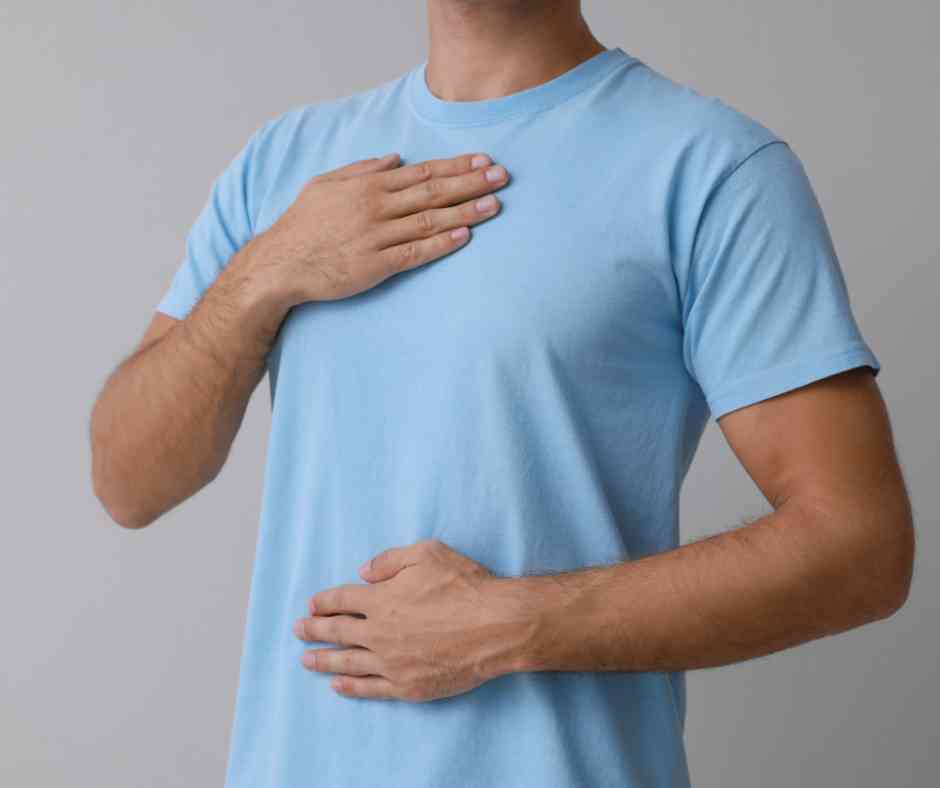
The foundation of all breathwork. It focuses on breathing into the abdomen rather than the upper chest.
- Best for: General relaxation and daily stress.
2. Box Breathing (Square Breathing)
Used by Navy SEALs to maintain calm during combat.
- The Pattern: Inhale for 4, Hold for 4, Exhale for 4, Hold for 4.
- Best for: Focus and nervous system stabilization.
3. Coherent Breathing (Resonant Breathing)
Breathing at a rate of 5 or 6 breaths per minute.
- Best for: Balancing the heart rate variability (HRV).
4. Wim Hof Method
A combination of controlled hyperventilation and breath-holding.
- Best for: Immune system support and cold tolerance. (Note: Should be practiced with caution and never in water).
5. Alternate Nostril Breathing (Nadi Shodhana)
A yogic practice of closing one nostril at a time.
- Best for: Balancing the left and right hemispheres of the brain.
Holotropic Breathwork: What to Know
Holotropic Breathwork is a specialized, intense technique developed by psychiatrists Stanislav and Christina Grof. It involves rapid, deep breathing for extended periods to induce altered states of consciousness.
Crucial Safety Framing:
Holotropic sessions are not for beginners to do alone. They are designed to be done in a group setting with certified facilitators. The intensity of this practice can lead to significant emotional release or psychological “breakthroughs,” which require a safe, trauma-informed container to process.
Breathwork for Beginners: How to Start
If you are new to this, start with “4-6 Breathing.” It is the safest and most effective way to test your response to breathwork.
- Find a quiet space. Sit or lie down comfortably.
- Inhale through your nose for a count of 4. Feel your belly expand.
- Exhale slowly through pursed lips for a count of 6. 4. Repeat for 2 to 5 minutes.
The key for beginners is the longer exhale. This ensures you are activating the parasympathetic nervous system.
How to Do Breathwork by Yourself
Practicing solo is a great way to build a “Vital Health” routine. Follow these guidelines:
- Posture: Keep your spine straight but not rigid. This allows the diaphragm to move freely.
- Nose vs. Mouth: Generally, inhale through the nose (which filters and warms the air). The mouth is used primarily for more intense “up-regulating” styles.
- Duration: Start with 5 minutes. Consistency (every day) is better than intensity (once a week for an hour).
- When to Stop: If you feel lightheaded, tingly in your hands, or excessively anxious, return to your normal, natural breath immediately.
Breathwork vs. Meditation: What is the Difference?
While they are often used together, they serve different functions.
| Feature | Breathwork | Meditation |
| Primary Tool | Active control of breath | Observational awareness of mind |
| Goal | Changing the physiological state | Observing the mental state |
| Effort | Active / Physical | Passive / Mental |
| Speed of Effect | Usually within minutes | Often takes longer to “settle” |
Breathwork Meditation is a hybrid where you use a specific breathing pattern as the “anchor” for your meditative focus.
Why Do People Cry During Breathwork?
It is very common for people to experience emotional releases—including crying, laughing, or even shouting—during intense sessions.
The Trauma-Informed Explanation
We often store “somatic” memories of stress or trauma in our bodies. When we change our breathing, we shift the pH of our blood and the tone of our nervous system. This can “unlock” suppressed emotions.
This is a natural physiological process, but it underscores why safety and grounding are essential. If you feel overwhelmed, open your eyes and touch something physical (like the floor or your chair) to ground yourself back in the present.
When Should You Not Do Breathwork? (Dangers & Contraindications)
Because certain types of breathwork (like Wim Hof or Holotropic) drastically change oxygen and CO2 levels, they are not safe for everyone.
Contraindications include:
- Severe Anxiety or Panic Disorder: Intense breathing can actually trigger a panic attack in some individuals.
- Pregnancy: Avoid any breathwork involving long “holds” or rapid, forceful exhales (like Breath of Fire).
- Heart Conditions: Rapid breathing can put stress on the cardiovascular system.
- Seizure Disorders: Altering blood pH can lower the seizure threshold.
- Recent Surgery: Especially in the abdominal or thoracic area.
⚠️ SAFETY FIRST: Always consult with a healthcare professional before trying “intense” or “transformational” breathwork styles if you have a pre-existing medical condition.
What Is Breathwork Reddit Talking About?
On platforms like Reddit, you’ll see many anecdotal reports of “ego death” or “instant healing.” While these stories are compelling, remember Survivorship Bias.
People who have average, calm experiences don’t usually post about them. Treat breathwork as a long-term wellness tool, not a “one-hit wonder” for deep-seated trauma.
Breathwork Contraindication Checklist
This Breathwork Contraindication Checklist is designed to help you determine which techniques are safe for your specific health profile. As part of our Vital Health mission at HIVScotland.com, we prioritize safety to ensure that wellness practices support, rather than stress, your system.
Breathwork Safety Categories
Breathwork is generally divided into Gentle (Down-regulating) and Intense (Up-regulating).
- Gentle: Box breathing, 4-7-8, diaphragmatic breathing. (Generally safe for all).
- Intense: Wim Hof Method, Holotropic, Rebirthing, Breath of Fire, or any rapid hyperventilation. (Requires checking the list below).
1. Cardiovascular & Respiratory Health
- High Blood Pressure (Hypertension): Intense breathing can cause sudden spikes in blood pressure.
- History of Heart Disease or Heart Attack: The physiological stress of rapid breathing can overtax the heart.
- Aneurysms (Brain or Abdominal): The pressure changes in the thoracic and cranial cavities can be dangerous.
- Severe Asthma: While gentle breathing helps, intense methods can trigger an exercise-induced asthma attack.
- Recent Surgery: Specifically any surgery in the chest, abdomen, or head within the last 8 weeks.
2. Neurological & Eye Health
- Epilepsy or History of Seizures: Altering your blood chemistry ($CO_2$ and $O_2$ levels) can lower the seizure threshold.
- Glaucoma: Intense breathing increases intraocular pressure, which can worsen glaucoma.
- Detached Retina: High-pressure breathing techniques can put strain on the eyes.
3. Mental Health & Trauma
- Severe PTSD / Complex Trauma: Intense sessions can trigger “flashbacks” or a “freeze” response. These should only be done with a trauma-informed facilitator.
- Panic Disorder: Rapid breathing can mimic or trigger a panic attack, leading to a “fear of the fear” loop.
- Bipolar Disorder or Schizophrenia: Intense breathwork can sometimes trigger manic or psychotic episodes in sensitive individuals.
4. Current Physiological States
- Pregnancy: Avoid any breathwork that involves breath retention (holds) or forceful abdominal contractions. Stick to gentle “Box Breathing.”
- High Fever or Acute Infection: Your body is already under metabolic stress; avoid “up-regulating” styles until you are recovered.
- Severe Osteoporosis: Forceful, rapid breathing can, in rare cases, lead to rib fractures in those with extremely low bone density.
Safety “Red Flags”: When to Stop Immediately
If you are practicing any form of breathwork and experience the following, return to your natural, unpaced breathing:
- Extreme Dizziness or Lightheadedness.
- Ringing in the Ears (Tinnitus).
- Chest Pain or Tightness.
- Strong Sense of Impending Doom or Terror.
- Uncontrollable Shaking or Muscle Spasms (Tetany).
The “Vital Health” Recommendation
If you checked any of the boxes above, it doesn’t mean you can’t breathe—it just means you should stick to Resonant (Coherent) Breathing or Box Breathing. These styles are clinically shown to stabilize the nervous system without the risks associated with “Holotropic” or “Wim Hof” styles.
Stress-Relief Breathing Arrangement Checklist
This 5-Minute Stress-Relief Breathing Arrangement Checklist is designed to help you (or your readers) set up the perfect environment for a “Down-regulating” session.
In the world of Vital Health, the environment is just as important as the technique itself. If your body doesn’t feel safe in its surroundings, the nervous system will resist the “Rest and Digest” signals you are trying to send.
Phase 1: Environmental Setup (Minute 0)
- Silence the Noise: Put your phone on “Do Not Disturb” or Airplane Mode. Even a single vibration can snap you out of a parasympathetic state.
- Optimize Lighting: Dim the lights or close the blinds. High-intensity blue light keeps the “Alert” systems of the brain active.
- Temperature Check: Ensure you are warm enough. The body’s temperature often drops slightly during deep relaxation. Keep a light blanket nearby.
- Choose Your Scent (Optional): If using aromatherapy, choose lavender or cedarwood. Avoid energizing scents like citrus or peppermint for this session.
Phase 2: Body Positioning (Minute 1)
- Unrestrictive Clothing: Loosen your belt or top button. Your diaphragm needs full range of motion to expand into your abdomen.
- Grounded Seating: * If sitting: Feet flat on the floor, back supported, hands resting palms-up on your thighs.
- If lying down: Use a small pillow under your knees to release lower back tension.
- The Jaw Release: Gently drop your tongue from the roof of your mouth and unclench your teeth. A tight jaw often signals a tight nervous system.
Phase 3: The 5-Minute Protocol (Minutes 2-5)
- The 4-6 Entry: * Inhale through the nose for 4 seconds (filling the belly first, then the chest).
- Exhale through pursed lips for 6 seconds (as if blowing through a straw).
- Eyes Closed or Soft Focus: Close your eyes or find a single, unmoving point on the floor 3 feet in front of you.
- The Scan: Every 3 cycles, check for tension in your shoulders and “drop” them away from your ears on the exhale.
Post-Session Checklist
- Slow Re-entry: Don’t jump up immediately. Wiggle your toes and fingers first.
- Hydrate: Drink 4–8 oz of room-temperature water to help the lymphatic system process the shift in blood chemistry.
- Log the Feeling: (Optional) Note on a scale of 1–10 how your anxiety felt before vs. after.
FAQs (Frequently Asked Questions)
How long should breathwork sessions be?
For beginners, 5–10 minutes is perfect. Advanced practitioners may go for 30–60 minutes, but this should be built up slowly.
Can breathwork replace therapy?
No. Breathwork is a somatic (body) tool that can support therapy, but it is not a replacement for professional mental health care.
Is breathwork safe to do daily?
Gentle techniques like Box Breathing or Diaphragmatic breathing are safe and highly recommended for daily use.
Final Expert Takeaway
Breathwork is the ultimate portable wellness tool. It is a bridge between your mind and your body, offering a way to influence your biology in real-time.
Whether you are using it to fall asleep, manage a stressful meeting, or explore your inner emotional landscape, the rule is always the same: Start gently, stay curious, and prioritize safety over intensity.
Medical Disclaimer: This article is for informational purposes only and does not substitute professional medical advice, diagnosis, or treatment. Certain breathwork techniques can significantly alter your physiology and should be practiced with caution, particularly if you have underlying health conditions.
References
1. On The Physiology of Breathing & The Nervous System
- A deep dive into how diaphragmatic breathing triggers the relaxation response via the vagus nerve.
- A comprehensive study on the “Physiological effects of slow breathing in healthy humans.“
2. On Stress and Anxiety Reduction
- Harvard Health (Harvard Medical School): Explains the “Relaxation Response” and how controlled breathing counters the “Fight or Flight” response.
- Stanford Medicine: Research on “Cyclic Sighing” (a form of breathwork) and its superior effects on mood compared to mindfulness meditation.
3. On Breathwork Types (Wim Hof & Resonance)
- PNAS (Proceedings of the National Academy of Sciences): A landmark study on the Wim Hof Method and its ability to voluntarily influence the sympathetic nervous system and immune system.
4. On Safety and Contraindications (YMYL)
- Cleveland Clinic: Provides clinical guidance on the risks of hyperventilation and who should avoid intense breathing techniques.
- Psychology Today: A trauma-informed look at why intense breathwork (like Holotropic) can trigger emotional release and when it is contraindicated.