Quick Summary: Is oil pulling safe? Yes, for most adults. Clinical experts agree that while oil pulling is not harmful to teeth or gums, it should only be used as a supplement to—not a replacement for—brushing twice daily and flossing.
In the age of social media “wellness hacks,” few practices have experienced a resurgence quite like oil pulling. From Hollywood celebrities to holistic influencers, the claim is often the same: swishing a tablespoon of oil in your mouth for 20 minutes can whiten teeth, draw out toxins, and even heal cavities. But for the average person concerned about their oral hygiene, the most important question remains: Is oil pulling safe?
As we shift our focus at HIVScotland.com toward Vital Health, we believe in scrutinizing ancient traditions through the lens of modern clinical evidence.
While oil pulling is generally safe for most healthy adults when practiced correctly, it is often surrounded by misinformation that can lead to neglected dental care. This comprehensive, dentist-reviewed guide explores the biological reality of oil pulling, its potential risks, and what the latest dental science actually says.
What Is Oil Pulling and Why Do People Use It?
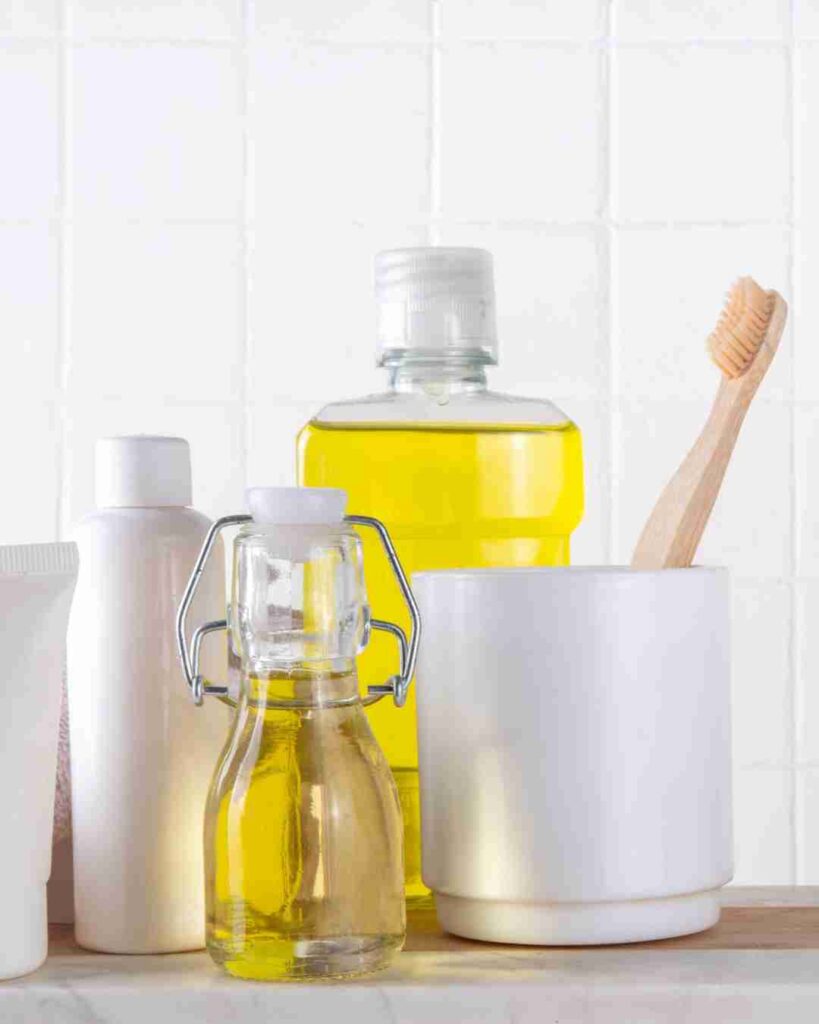
Oil pulling, known as kavala or gandusha in Ayurvedic medicine, is a traditional Indian folk remedy that dates back thousands of years. The process involves taking approximately one tablespoon of edible oil—most commonly coconut, sesame, or sunflower oil—and swishing it through the teeth and around the oral cavity for 15 to 20 minutes before spitting it out.
Why It Became a Modern Trend
The practice went viral in the mid-2010s and has remained a staple of “natural” health circles for several reasons:
- The “Detox” Appeal: The idea that oil can “pull” toxins out of the blood via the tongue is a powerful, albeit scientifically inaccurate, marketing hook.
- Accessibility: It requires nothing more than a jar of kitchen oil.
- Holistic Health: Many users are looking for fluoride-free alternatives to traditional mouthwashes.
Is Oil Pulling Safe?
The short answer is yes, oil pulling is generally safe for the majority of adults. However, safety in medicine is always contextual.
Who Can Practice It Safely?
For an adult with a healthy immune system and no significant swallowing difficulties, swishing edible oil poses very little direct risk to the physical structure of the mouth. The oil itself is a food product, and the act of swishing is non-invasive.
When Safety Becomes an Issue
Oil pulling becomes “unsafe” primarily when it is used as a substitute for evidence-based dental care. If a person stops brushing with fluoride toothpaste or cancels a professional cleaning because they believe oil pulling is “detoxifying” their mouth, they are at a significantly higher risk for periodontitis and tooth loss.
Is Oil Pulling Safe to Do Every Day?
Many practitioners recommend oil pulling every morning on an empty stomach. From a safety perspective, doing this daily is acceptable, provided you are mindful of your jaw health.
The Risk of Overuse
Swishing for 20 minutes is a significant workout for the masseter and temporomandibular joint (TMJ). Daily practice can lead to:
- Muscle Fatigue: A dull ache in the cheeks.
- TMJ Strain: If you already suffer from jaw clicking or pain, the repetitive motion of oil pulling can exacerbate these symptoms.
Microbiome Balance: Unlike alcohol-based mouthwashes that kill both “good” and “bad” bacteria indiscriminately, oil pulling is relatively gentle. There is currently no evidence that daily oil pulling negatively disrupts the oral microbiome, though more long-term studies are needed.
Why Don’t Dentists Recommend Oil Pulling?
If you ask your dentist about oil pulling, you will likely get a neutral shrug or a polite warning. Organizations like the American Dental Association (ADA) do not currently recommend oil pulling as a standard practice. Why the hesitation?
- Lack of Peer-Reviewed Evidence: Most studies on oil pulling have small sample sizes and lack the rigorous “double-blind” standards required for clinical recommendations.
- The “Replacement” Risk: Dentists fear that patients will replace proven treatments (like root planes or fillings) with oil swishing.
- Marketing Hyperbole: Claims that oil pulling “cures” systematic diseases like diabetes or asthma are scientifically baseless and create a “snake oil” reputation for the practice.
Does Oil Pulling Actually Work?
To determine if oil pulling “works,” we must define the goal.
- For Plaque Reduction: Some studies suggest that oil pulling (particularly with sesame oil) can reduce the Streptococcus mutans bacteria count in saliva, similar to chlorhexidine mouthwash. The fatty acids in the oil may have a saponification (soap-making) effect that breaks down bacterial membranes.
- For Cavities: No. Oil pulling cannot “heal” a cavity once the enamel has been breached.
- For Gum Disease: It may reduce surface-level gingivitis (inflammation), but it cannot treat deep periodontal pockets where bacteria hide.
Oil Pulling Benefits: What’s Supported vs. Hype
While the internet claims oil pulling is a miracle, the actual benefits are more modest:
Supported Benefits:
- Reduced Halitosis (Bad Breath): By mechanically removing bacteria and food debris, oil pulling can freshen breath.
- Moisturizing the Oral Mucosa: For those with “Dry Mouth” (xerostomia), oil provides a soothing coating that water-based washes cannot.
- Mindfulness: The 20-minute quiet period often encourages a more focused morning routine.
The Hype (Not Supported):
- Systemic Detox: Your liver and kidneys handle detox; your mouth does not “pull” toxins from your organs.
- Whiter Teeth: Oil cannot bleach the internal color of your teeth (dentin).
Oil Pulling Side Effects & Dangers
While generally safe, there are documented “red flags” that every user should know.
1. Lipid Pneumonia (The Silent Danger)
This is a rare but serious condition that occurs if oil is accidentally aspirated (inhaled) into the lungs. Because oil is difficult for the lungs to clear, it can cause chronic inflammation and pneumonia. This is why oil pulling is discouraged for those with swallowing disorders or very small children.
2. The Gag Reflex & Nausea
The texture of cold oil can be difficult for many to tolerate, leading to a strong gag reflex or vomiting.
3. Jaw Fatigue
As mentioned, 20 minutes of vigorous swishing is a long time. If you feel pain in your jaw, stop immediately.
🚨 Safety Note: Never spit the oil down the drain. Over time, coconut oil (which is solid at room temperature) can clog your household plumbing. Always spit into a trash can.
Coconut Oil Pulling Dangers
Coconut oil is the most popular choice due to its high lauric acid content, which has antimicrobial properties. However, it carries specific risks:
- Saturated Fat Aspiration: As a highly saturated fat, it is particularly irritating to lung tissue if inhaled.
- Allergic Reactions: While rare, coconut allergies can manifest as swelling or itching in the mouth.
Oil Pulling Detox Symptoms: Myth vs. Reality
Users often report “detox symptoms” such as headaches, skin breakouts, or a “fuzzy” tongue after starting oil pulling. In holistic circles, these are called “healing crises.”
The Reality: There is no biological mechanism for oil to cause a systemic detox reaction. These symptoms are more likely:
- Anxiety or Stress: A psychosomatic response to a new, intense habit.
- The Gag Reflex: Nausea caused by the oil texture.
- Dehydration: If the user is skipping water in favor of oil.
Is Oil Pulling Safe for Teeth & Dental Work?
This is the most common concern for patients with existing dental work.
Fillings & Crowns
Oil pulling is safe for most modern dental materials. It does not contain the abrasive chemicals found in some whitening pastes that can scratch porcelain or composite. However, if a crown is already loose, the suction created during swishing could potentially dislodge it.
Veneers (Composite and Porcelain)
Oil is non-corrosive and will not damage the surface of veneers. In fact, its moisturizing properties can be beneficial for the gum line around veneers.
Braces & Retainers
Oil pulling with braces is generally not recommended. The oil is incredibly difficult to clean out from behind brackets and wires, which can lead to a buildup of plaque and food particles. If you have a permanent retainer, be extra diligent with flossing after pulling to ensure no oil residue remains.
Is Oil Pulling Safe for Kids?
No. Most dental professionals advise against oil pulling for children.
- Choking Hazard: The volume of oil required is too much for small mouths.
- Aspiration Risk: Kids are much more likely to accidentally inhale the oil.
- Replacement Risk: Kids should be focusing on the fundamentals of brushing and flossing, not experimental routines.
Is Oil Pulling Safe During Pregnancy & Breastfeeding?
Yes, oil pulling is generally considered safe during pregnancy. Many pregnant women suffer from “Pregnancy Gingivitis” due to hormonal shifts, and the gentle, non-chemical nature of oil pulling can provide some relief for inflamed gums.
Considerations:
- Morning Sickness: The smell and texture of oil may trigger nausea in the first trimester.
- Consultation: Always mention any new oral routine to your OB-GYN or dentist during your prenatal checkups.
Does Oil Pulling Whiten Teeth?
If you are looking for “before and after” Hollywood results, you will be disappointed.
- Surface Stains: Oil may help lift surface stains (from coffee or tea) because oil is a solvent.
- Enamel Whitening: True whitening requires peroxide to penetrate the enamel. Oil stays on the surface.
For real whitening, professional treatments or ADA-approved strips are the only evidence-based options.
What Happens If You Swallow Oil Pulling Oil?
While swallowing a small amount of oil is not fatal, it is not recommended.
- Digestive Upset: The oil now contains the bacteria and debris you just spent 20 minutes swishing. Swallowing it can lead to diarrhea or nausea.
- Caloric Load: A tablespoon of coconut oil contains about 120 calories.
Which Oil Should I Use for Oil Pulling?
If you decide to try oil pulling, the quality of the oil matters.
- Coconut Oil: Best for taste and lauric acid (antimicrobial).
- Sesame Oil: The traditional choice; high in antioxidants like sesamol.
- Sunflower Oil: A more neutral, cost-effective option.
Avoid: Essential oils (like tea tree or peppermint) as a base. They are far too concentrated and can cause chemical burns if swished for 20 minutes. Use them only as a 1-drop additive to your base oil.
What Is the 2-2-2 Rule for Teeth?
At HIVScotland, we prioritize the 2-2-2 Rule over any “detox” trend. This is the gold standard of Vital Oral Health:
- 2 Times a Day: Brush your teeth every morning and every night.
- 2 Minutes: Use a timer. Most people brush for only 45 seconds.
- 2 Times a Year: Visit your dentist for professional cleanings and checkups.
Natural Oral Care Routine checklist
- Brush twice daily for 2 minutes using a soft-bristled brush
- Floss once daily to remove plaque between teeth
- Oil pull for 5–10 minutes with organic coconut oil (optional supplement)
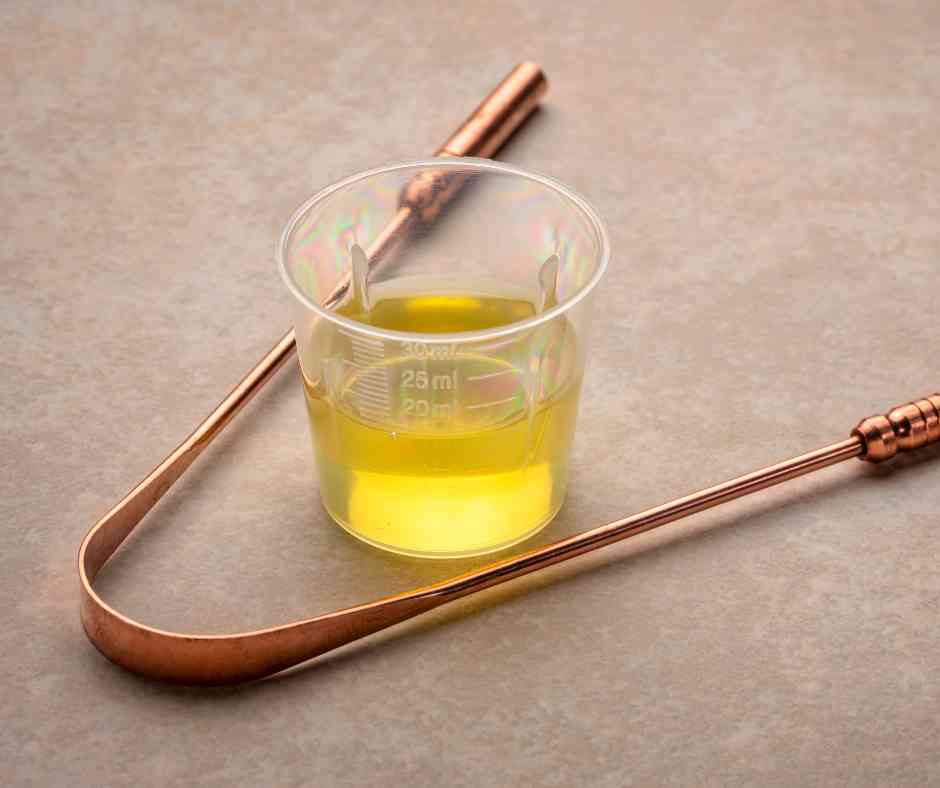
- Clean your tongue with a copper or stainless steel tongue scraper
- Rinse with an alcohol-free, natural mouthwash or salt water
- Stay hydrated to maintain saliva production for enamel protection
- Limit sugary and acidic foods that erode tooth enamel
FAQs (Frequently Asked Questions)
Is oil pulling bad?
No, it is not “bad” or harmful for most people, but it is not a medical necessity.
Can oil pulling replace brushing?
Absolutely not. Brushing and flossing provide mechanical removal of plaque that oil pulling cannot achieve.
How long should you oil pull?
The traditional recommendation is 15–20 minutes, though some dentists suggest 5–10 minutes is sufficient to avoid jaw fatigue.
Is oil pulling FDA approved?
The FDA regulates the oils as “food products,” but they do not approve oil pulling as a medical treatment for dental disease.
Final Dentist’s Takeaway
Oil pulling is a fascinating ancient practice that has found a new home in the modern world. From a clinical perspective, if you enjoy the feeling of oil pulling and it encourages you to pay more attention to your oral health, there is very little reason to stop—provided you continue to brush, floss, and visit your dentist.
At the end of the day, your Vital Health is built on consistency. Trends come and go, but the science of mechanical plaque removal remains the strongest shield for your smile.
Medical Disclaimer: The following information is for educational purposes only. It is not intended to be a substitute for professional dental advice, diagnosis, or treatment. Always seek the advice of your dentist or other qualified health provider with any questions you may have regarding a dental condition.
References
1. Official Dental Associations
- American Dental Association (ADA): The definitive source on why oil pulling is not currently a recommended practice due to a lack of clinical evidence.
- British Dental Journal (BDJ): A clinical review of the evidence (or lack thereof) for oil pulling in reducing plaque and gingivitis.
2. Clinical Studies & Safety Data
- National Institutes of Health (NIH) / PubMed: A meta-analysis comparing the effectiveness of oil pulling to traditional mouthwashes like chlorhexidine.
- Journal of Family Medicine and Primary Care: A study detailing the Ayurvedic history and the limited clinical efficacy of the practice.
3. Risks & Side Effects (Lipid Pneumonia)
- International Journal of Case Reports: A documented medical case of lipid pneumonia caused by the accidental inhalation of oil during oil pulling.
4. Comparative Oral Health Standards
- Cleveland Clinic: Provides the standard for the “2-2-2 Rule” and general oral hygiene best practices.