TL;DR: The “Crunchy Caution” for Diabetics
Yes, water chestnuts can be part of a diabetes-friendly diet, but they must be managed with portion control. Unlike cabbage or edamame, water chestnuts are “starchy” aquatic vegetables.
While they are fat-free and high in antioxidants like ferulic acid, they contain more carbohydrates than non-starchy greens. For a person with Type 2 diabetes, water chestnuts are an excellent replacement for higher-GI starches like white potatoes, provided you account for their carb count.
What are Water Chestnuts? (It’s Not a Nut!)
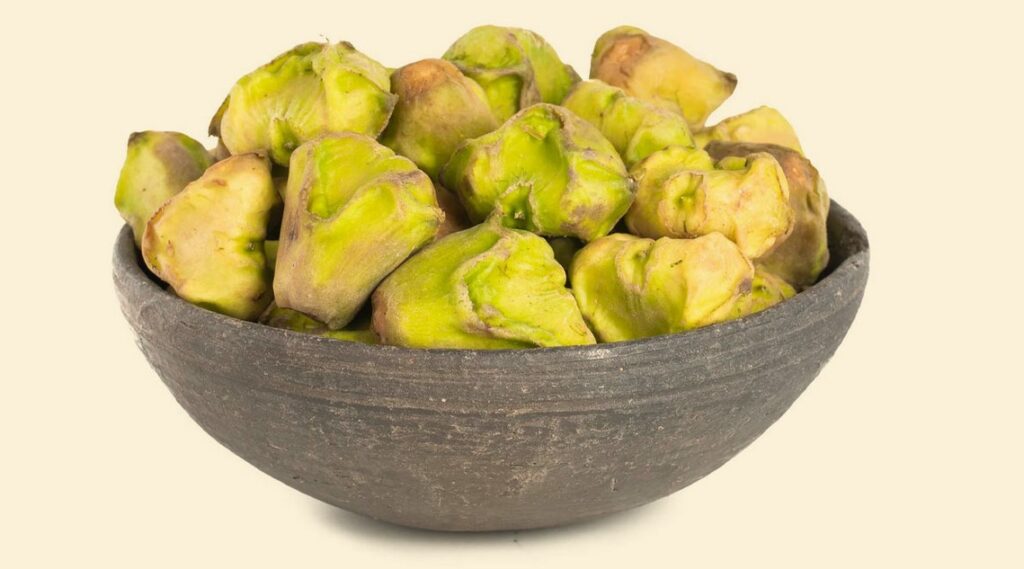
Despite the name, a water chestnut is not a nut; it is a corm—a fleshy, underground stem of an aquatic plant (Eleocharis dulcis) that grows in marshes.
As a physician, I find it important to clarify this because many patients with nut allergies avoid them unnecessarily. For those with diabetes, the “corm” status is important because, like tubers (potatoes), corms store energy as starch.
However, water chestnuts have a unique cellular structure that allows them to remain crunchy even after cooking, which helps slow down the chewing process and promotes satiety.
The Glycemic Profile: Index vs. Load
When patients ask, “is water chestnuts good for diabetes?” they are usually asking about blood sugar spikes. To answer this, we look at two metrics:
- Glycemic Index (GI): This is estimated to be around 60 for water chestnuts. This puts them in the “Medium” category—higher than leafy greens (GI <15) but lower than white bread (GI 75+).
- Glycemic Load (GL): This is the more important number for diabetics. Because water chestnuts are 74% water, their Glycemic Load is approximately 8 to 10 for a half-cup serving.
Clinical Verdict: A low GL means that a moderate serving is unlikely to cause a massive glucose spike, making them a “Green-to-Yellow” light food.
Nutritional Breakdown: A Physician’s Perspective
One-half cup (approx. 60g) of sliced water chestnuts provides:
- Calories: 60
- Total Carbohydrates: 14g
- Fiber: 2g (approx. 7% of Daily Value)
- Protein: 1g
- Fat: 0g
- Potassium: 7% of DV (Crucial for managing “diabetic hypertension”)
The Ferulic Acid Advantage
Water chestnuts are unique because they are rich in ferulic acid. Clinical research published in The Journal of Clinical Biochemistry and Nutrition suggests that ferulic acid can help reduce oxidative stress and may play a role in improving insulin sensitivity by protecting pancreatic beta cells.
Benefits of Water Chestnuts for Type 2 Diabetes
1. Potassium and Blood Pressure Control
Diabetes and hypertension (high blood pressure) often go hand-in-hand. Water chestnuts are a significant source of potassium. Potassium helps the body excrete excess sodium and eases tension in blood vessel walls, reducing the risk of stroke—a major concern for diabetic patients.
2. Weight Management (Low Calorie Density)
With only 60 calories per half-cup, water chestnuts allow for “volume eating.” You can add them to a stir-fry to create bulk without the caloric density of rice or noodles. This helps with weight loss, which is the primary driver of Type 2 diabetes remission.
3. Resistance to Digestive Enzymes
Water chestnuts contain certain types of starch that are more resistant to breakdown than the starch in white flour. This means they take longer to convert into glucose, resulting in a flatter post-meal blood sugar curve.
The “Starch Trap”: Canned vs. Fresh
As an MD, I must warn you about how you buy this vegetable.
- Canned Water Chestnuts: These are most common. Check the label. Some brands add “syrup” or sugar to the canning liquid. Always choose “in water” and rinse them thoroughly for 2 minutes to remove excess sodium.
- Fresh Water Chestnuts: These have a sweeter, apple-like flavor and higher antioxidant levels. If you can find them at Asian markets, they are the superior choice for metabolic health.
How to Eat Water Chestnuts Safely with Diabetes
To keep your blood sugar in the “Green Zone” (70–140 mg/dL), follow these three clinical rules:
1. The “1/2 Cup Rule”
Keep your portion size to 1/2 cup of sliced water chestnuts per meal. This ensures your carb intake stays around 14g, roughly equivalent to one “carb choice” in a standard diabetic meal plan.
2. Pair with “The Big Three”
Never eat water chestnuts alone. Always pair them with:
- Protein: (Chicken, Tofu, or Fish)
- Healthy Fat: (Olive oil or Sesame oil)
- Non-Starchy Fiber: (Cabbage, Bok Choy, or Broccoli) This “Sequencing” ensures the starch from the water chestnuts is absorbed slowly.
3. Avoid the “General Tso” Effect
In restaurants, water chestnuts are often served in “syrupy” sauces made of cornstarch, sugar, and soy sauce. This turns a healthy vegetable into a blood sugar disaster.Better Prep: Sauté them with ginger, garlic, and coconut aminos at home.
Diabetic Stir-Fry Guide
As a physician, I frequently recommend stir-frying as a primary cooking method for my patients with Type 2 diabetes. It is a “metabolic win” because it allows for high-heat cooking with minimal oil, preserving the fiber and antioxidants (like the ferulic acid in water chestnuts) that are often lost in boiling or deep-frying.
This Diabetic Stir-Fry Guide focuses on the “Plate Method” principles: 50% non-starchy vegetables, 25% lean protein, and 25% smart carbs (like water chestnuts).
The “Glucose-Steady” Stir-Fry Formula
To keep your blood sugar from spiking, we avoid the “hidden sugars” found in commercial sauces (like Oyster or Hoisin sauce). Instead, we use a base of aromatics and acids.
1. The Base (The Aromatics)
- Garlic & Ginger: Both have been shown in clinical trials to improve fasting blood sugar. Use 2 tablespoons of freshly minced ginger and 3 cloves of garlic.
- Green Onions: Provides flavor without the carbohydrate load of large white onions.
2. The Protein (The Insulin Stabilizer)
- Choices: Sliced chicken breast, extra-firm tofu, shrimp, or lean beef strips.
- MD Tip: Aim for 4–6 oz of protein per serving to ensure the release of satiety hormones like PYY and GLP-1.
3. The Vegetables (The Fiber Mesh)
- The “Crunch”: 1/2 cup sliced water chestnuts (The “Smart Carb”).
- The “Volume”: 2 cups of bok choy, Napa cabbage, or broccoli (Non-starchy fillers).
- The “Color”: Bell peppers or snap peas (Rich in Vitamin C).
Recipe: The “Clinical Crunch” Stir-Fry
Servings: 2 | Net Carbs: ~12g per serving | Prep Time: 15 mins
Ingredients:
- 12 oz Lean Chicken Breast (thinly sliced)
- 1 cup Water Chestnuts (canned in water, rinsed and sliced)
- 3 cups Bok Choy (chopped)
- 1 cup Red Bell Pepper (sliced)
- 2 tbsp Avocado Oil (high smoke point)
- The “No-Sugar” Sauce: 3 tbsp Coconut Aminos, 1 tsp Sesame Oil, 1 tbsp Rice Vinegar, and 1/2 tsp red pepper flakes.
Method:
- Sear the Protein: Heat avocado oil in a wok or large skillet over high heat. Add chicken and cook until 80% done. Remove and set aside.
- Flash-Fry Aromatics: Add garlic and ginger to the remaining oil for 30 seconds.
- The Veggie Drop: Add bok choy and bell peppers. Stir-fry for 2–3 minutes. We want them “al dente” (firm) because overcooked vegetables have a higher glycemic impact.
- The Water Chestnuts: Add the sliced water chestnuts last. They only need to be warmed through to maintain their distinctive crunch.
- Finish: Add the chicken back in and pour the “No-Sugar” sauce over the mixture. Toss for 60 seconds and serve immediately.
Critical Ingredient Swaps for Diabetics
| Avoid This (High GI) | Use This (Low GI) | The Medical Reason |
| Cornstarch Thickener | None or Xanthan Gum | Cornstarch is a refined carb that causes rapid spikes. |
| Soy Sauce | Coconut Aminos | Aminos have 70% less sodium; better for blood pressure. |
| White Rice Side | Cauliflower Rice | Reduces the meal’s carb count by ~35g. |
| Sugar/Honey | Stevia or Monk Fruit | Provides sweetness without the insulin response. |
Physician’s Takeaway on “Starch Sequencing”
When eating this stir-fry, I tell my patients to eat the bok choy and chicken first, and save the pieces of water chestnut for the end of the meal.
By the time the starch from the water chestnut hits your small intestine, the fiber from the bok choy has already formed a protective barrier, further blunting the glucose absorption. This is a simple “biohack” that can lower your post-meal glucose by 15–20 mg/dL.
Diabetic Grocery Checklist for Asian Cuisine
As a board-certified physician, I know that the hardest part of managing Type 2 diabetes is often the “impulse buy” at the grocery store. When you are surrounded by high-sodium sauces and refined white rice, it is easy to make choices that derail your HbA1c.
This Diabetic Grocery Checklist for Asian Cuisine focuses on “Whole-Food, Low-GI” essentials. This list ensures you have the ingredients to make the water chestnut stir-fries and sprout salads we’ve discussed.
The Diabetic Asian Grocery Checklist
1. The Produce Aisle (The Foundation)
- Cabbages: Napa, Red, and Green (Your primary “volume fillers”).
- Bok Choy / Baby Bok Choy: Excellent source of Vitamin A and Calcium.
- Fresh Ginger & Garlic: Clinical essentials for metabolic health.
- Daikon Radish: A low-calorie “crunch” for salads.
- Fresh Sprouts: Mung bean or broccoli sprouts (High in sulforaphane).
2. The Canned & Jarred Aisle (The “Smart Carbs”)
- Water Chestnuts: Ensure they are labeled “In Water” (Rinse to remove sodium).
- Bamboo Shoots: Very low in calories and high in fiber.
- Baby Corn: Use sparingly; lower GI than standard corn.
- Straw Mushrooms: High in protein and B-vitamins.
3. The Protein & Soy Section (The Insulin Stabilizers)
- Edamame: Frozen (shelled or in pods).
- Extra-Firm Tofu: High in isoflavones for insulin sensitivity.
- Tempeh: Fermented soy; excellent for gut health.
- Wild-Caught Fish: Salmon or Mackerel (High Omega-3s).
4. Sauces & Condiments (The “Hidden Sugar” Danger Zone)
- Coconut Aminos: The #1 replacement for Soy Sauce (Lower sodium and lower GI).
- Rice Vinegar: Ensure it is “Unseasoned” (Seasoned rice vinegar contains sugar).
- Toasted Sesame Oil: A small amount adds massive flavor and healthy fats.
- Chili Garlic Paste (Sambal Oelek): Check for 0g added sugar.
- Miso Paste: Fermented and great for the microbiome (Use in moderation for sodium).
Physician’s “Label Reading” Audit
When shopping for is water chestnuts good for diabetes recipes, I want you to perform a 5-second audit on every bottle:
- Check for “Syrup” or “Sucrose”: If these appear in the first 3 ingredients of a sauce, put it back.
- The 140mg Rule: For sauces, try to find options with less than 140mg of sodium per serving to protect your kidneys and blood pressure.
- Net Carb Calculation: Total Carbs – Fiber = Net Carbs. Aim for sauces with <2g Net Carbs per tablespoon.
Essential Tool: The “Smart Swap” Table
| High-Glucose Item | Diabetic-Safe Swap | Why It Matters |
| White Jasmine Rice | Cauliflower Rice | Prevents the 2-hour “post-rice” spike. |
| Lo Mein Noodles | Shredded Cabbage | Cabbage ribbons mimic the texture with 90% fewer carbs. |
| Cornstarch | Xanthan Gum | Thickens sauces without using refined starch. |
| Hoisin Sauce | PB2 + Coconut Aminos | Provides that savory-sweet taste without the corn syrup. |
The Master Diabetic Vegetable Guide
1. The Glycemic Spectrum (The “Traffic Light” System)
In diabetes management, we categorize vegetables based on how they impact your insulin response.
- GREEN (Unrestricted): Cabbage, Sprouts, Bok Choy. (High fiber, GI < 15).
- YELLOW (Portion Control): Edamame, Water Chestnuts. (Higher protein/starch, GI 20–60).
- RED (Minimize/Avoid): Corn, White Potatoes, Parsnips. (High starch, GI > 70).
2. Comparison of “The Big Four”
| Vegetable | Primary Diabetes Benefit | Key Nutrient | MD Prep Tip |
| Sprouts | Insulin Sensitivity | Sulforaphane | Cook them to avoid bacteria. |
| Cabbage | Glucose Flattening | Anthocyanins | Eat first as a fiber buffer. |
| Edamame | Satiety & GLP-1 | Complete Protein | Great for weight loss. |
| Water Chestnuts | Heart Protection | Ferulic Acid | Limit to 1/2 cup per meal. |
3. The “Medical Sequencing” Strategy
The way you eat these vegetables is just as important as what you eat. Following this sequence can lower your post-meal blood sugar spike by up to 30%.
- Fiber First: Start with a Cabbage salad or steamed Sprouts. This creates a “mesh” in your small intestine.
- Protein & Fat Second: Move to your Chicken, Tofu, or Edamame.
- Smart Carbs Last: Finish with your Water Chestnuts or a small portion of whole grains.
4. Quick-Reference Shopping “Don’ts”
To protect your kidneys and prevent insulin resistance, avoid these common “hidden” additives:
- 🚫 Added Sugar: Common in “seasoned” rice vinegar and bottled stir-fry sauces.
- 🚫 High Sodium: Common in canned water chestnuts and standard soy sauce. (Always rinse canned goods for 2 minutes).
- 🚫 Thickening Starches: Avoid restaurant “brown sauces” made with cornstarch.
5. Final Clinical Takeaway for Success
Managing Type 2 diabetes is not about deprivation; it is about substitution and sequencing. By replacing white rice with “Cabbage Rice” and snacks like chips with “Roasted Edamame,” you are giving your body the bioactive tools it needs to repair its insulin response.
FAQ: Frequently Asked Questions
Do water chestnuts raise blood sugar?
They will raise blood sugar slightly more than green beans or spinach because of their starch content. However, because of their high water and fiber content, they do not cause the rapid “spike and crash” associated with refined grains.
Is the starch in water chestnuts bad for me?
No. The starch in water chestnuts is a complex carbohydrate. For most diabetics, the goal isn’t “zero carbs,” but “smart carbs.” Water chestnuts qualify as a smart carb.
Can I eat water chestnuts if I have kidney disease (as a diabetic complication)?
Water chestnuts are high in potassium. If you have advanced Diabetic Kidney Disease (CKD) and are on a potassium-restricted diet, you should consult your nephrologist before eating them.
The Medical Verdict
Water chestnuts are a high-fiber, fat-free, and potassium-rich food that can add texture and variety to a diabetic diet. While they contain more carbohydrates than leafy greens, their low glycemic load and antioxidant profile make them a much healthier starch choice than white rice or bread.
References
- Science Translational Medicine
- Sulforaphane reduces hepatic glucose production and improves glucose control in patients with type 2 diabetes.
- Journal of Clinical Biochemistry and Nutrition
- The Diabetes Plate Method (Non-Starchy Vegetables).
- https://fdc.nal.usda.gov/fdc-app.html#/food-details/169112/nutrients
- Nutritional Analysis of Water Chestnuts (Canned vs. Fresh).